April 22, 2026
Stepping into a well-manicured garden is often like walking into a living gallery where nature showcases its finest colors and textures. For the home landscaper, the palette of choice frequently involves a specific group of plants known for their relentless energy and show-stopping blooms. These plants are the heavy lifters of the gardening world, providing the immediate gratification and saturation of color that perennials often lack. Whether you are looking to fill a window box with trailing petunias or line your walkway with sturdy marigolds, understanding the unique characteristics of these botanical gems is the first step toward a breathtaking yard.
While many people view gardening as a long-term commitment to shrubs and trees, the strategic use of seasonal plants offers a flexibility that is hard to match. They allow for an annual reinvention of your outdoor space, letting you experiment with "color of the year" trends or change your garden’s theme as often as you change your interior decor. According to Southern Living, annual flowers and plants complete their full life cycle in one growing season, but they add color from planting until a hard frost in most of the country. This rapid life cycle is precisely what makes them so fascinating and essential for any homeowner looking to maintain a high-impact landscape throughout the spring, summer, and autumn months.
1. Understanding the Life Cycle of Rapid Bloomers
The biological imperative of annual flowers is fundamentally different from that of their perennial counterparts. Because these plants only have a few months to sprout, grow, mature, and produce seeds, they invest almost all of their energy into flower production. This biological "rush" is why they are often more vibrant and prolific than long-lived plants. While a peony might bloom for only two weeks out of the year, an annual variety like a zinnia or a wax begonia will produce new buds continuously, driven by the evolutionary need to ensure the next generation before the winter chill sets in.
This condensed lifespan requires a specific approach to care and maintenance. Gardeners often practice "deadheading"—the removal of spent blooms—to trick the plant into thinking it hasn't successfully produced seeds yet. When you snip off a fading marigold or geranium, the plant reacts by diverting its energy into a fresh flush of growth. This cycle creates a win-win scenario for the homeowner: the plant continues its biological mission, and the landscape remains draped in fresh, vivid petals for months on end.
2. Categorizing Varieties by Light and Temperature
Not all one-season plants are created equal when it comes to their environmental preferences. Landscapers typically divide these varieties into three categories based on their tolerance for frost: hardy, half-hardy, and tender. Hardy varieties, such as pansies and snapdragons, can withstand a light frost and are often the first pops of color seen in early spring. These resilient plants thrive in the cooler temperatures that would cause more sensitive tropical varieties to wilt and fade, making them perfect for bridging the gap between the last snow and the first heatwave.
On the opposite end of the spectrum, tender annual flowers like impatiens, vinca, and coleus require consistent warmth to survive. These plants are true sun and heat lovers, reaching their peak performance when the nights stay above $60^{\circ}\text{F}$. Understanding these distinctions is crucial for successful home landscaping, as planting a heat-loving zinnia too early in April can lead to stunted growth or death. By staggering your planting based on temperature resilience, you can ensure a seamless transition of color that evolves as the seasons shift from the crisp air of May to the sweltering humidity of August.
3. Maximizing Visual Impact with Color Theory
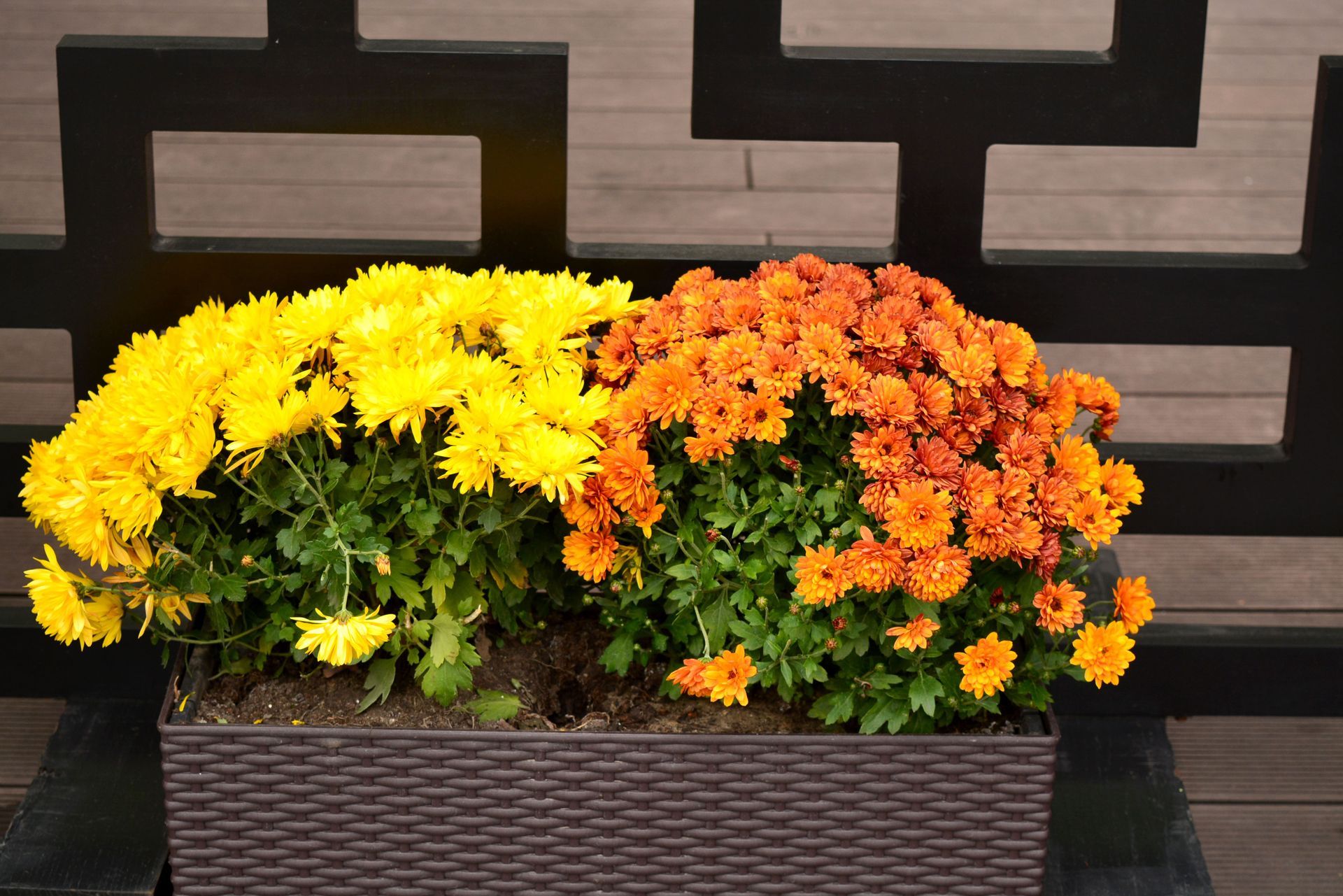
One of the most exciting aspects of working with annual flowers is the ability to play with color theory on a massive scale. Because these plants are temporary, they offer a low-risk opportunity to experiment with bold combinations that you might be hesitant to commit to with permanent shrubs. For a high-energy look, many designers utilize complementary colors—those opposite each other on the color wheel—such as pairing deep purple salvia with bright yellow marigolds. This creates a visual vibration that draws the eye and makes the garden feel dynamic and alive.
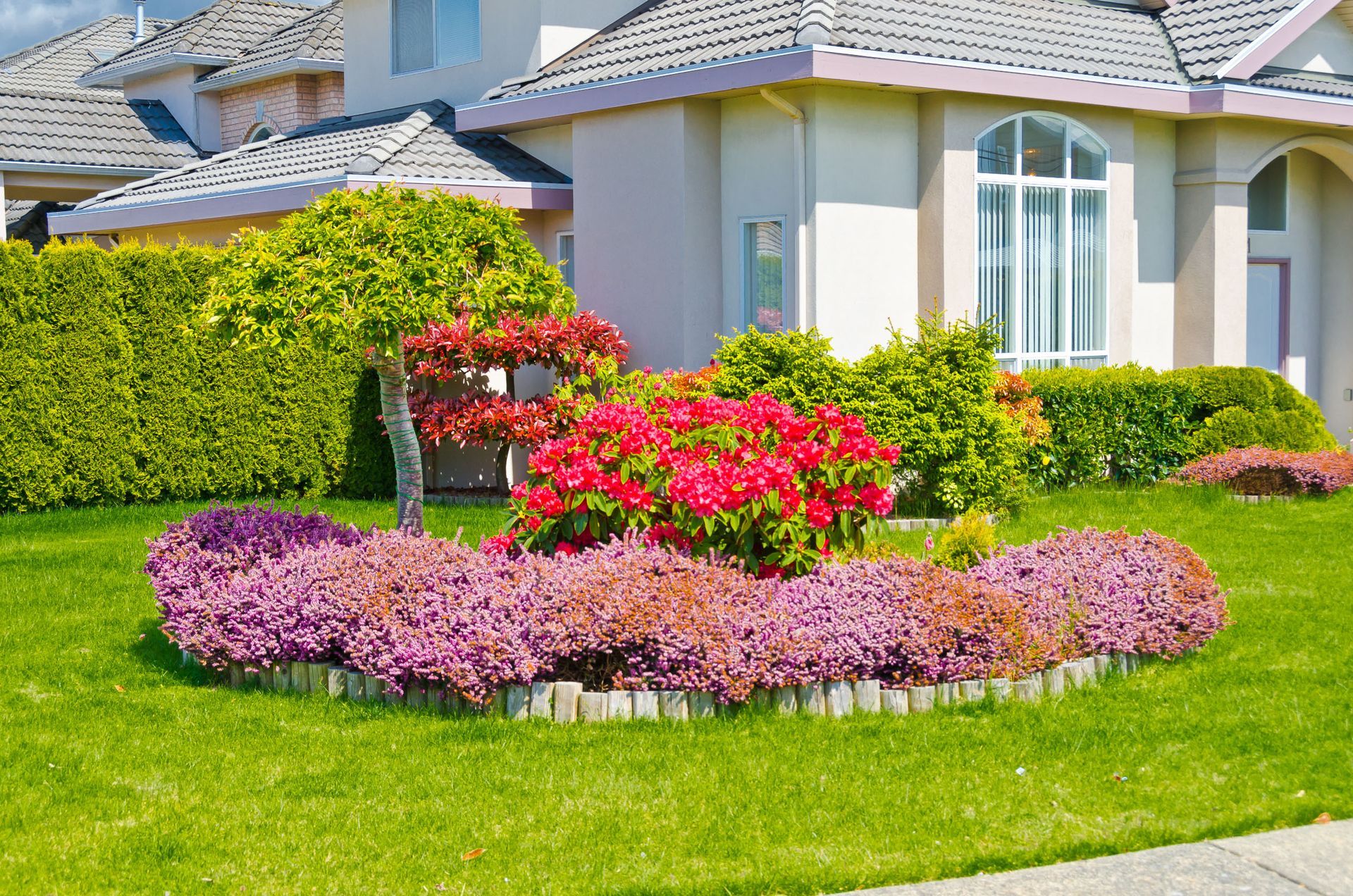
Conversely, for a more serene and sophisticated atmosphere, an analogous color scheme works wonders. This involves using shades that sit next to each other on the wheel, such as a gradient of pinks, purples, and blues, using petunias and lobelia. Using these plants in mass plantings rather than scattered individual units creates "drifts" of color that mimic natural landscapes. This technique is particularly effective in larger yards, where small clusters of flowers can get lost against the scale of the lawn and house, but a sweeping bed of uniform color creates a professional, intentional aesthetic.
4. Supporting Local Ecosystems and Pollinators
Beyond their aesthetic appeal, annual flowers play a vital role in supporting local wildlife, particularly pollinators like bees, butterflies, and hummingbirds. Because they bloom so prolifically and for such an extended period, they provide a reliable and consistent food source when other plants may have finished their flowering cycle. Sunflowers, zinnias, and cosmos are particularly famous for their nectar-rich centers, acting as refueling stations for migratory species like Monarch butterflies as they journey across the continent.
By selecting varieties with "single" blooms—meaning they have one row of petals and an exposed center—homeowners make it easier for insects to access the pollen and nectar. While "double" blooms are often prized for their ruffled, rose-like appearance, they can sometimes be difficult for smaller bees to navigate. Incorporating a mix of shapes and sizes ensures that your garden isn't just a feast for the eyes but a functioning habitat that promotes biodiversity. Watching a hummingbird dart between your hanging baskets of fuchsia is a rewarding reminder that your landscaping choices have a positive ripple effect on the environment.
5. Utilizing Versatile Containers and Vertical Spaces
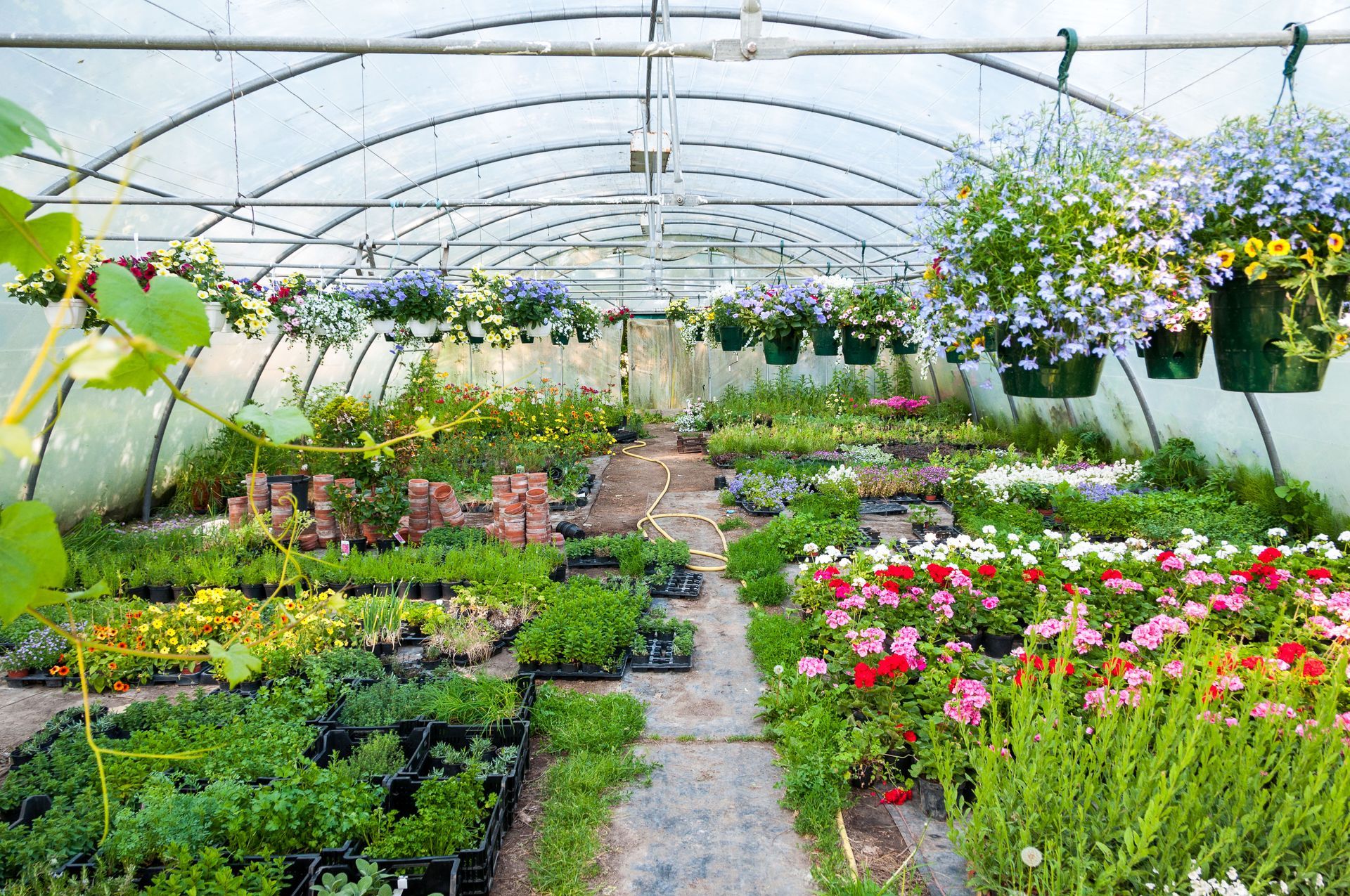
For homeowners with limited ground space or poor soil quality, annual flowers offer incredible versatility through container gardening. They are the undisputed kings of the hanging basket, the window box, and the decorative patio pot. Their shallow root systems and adaptable natures allow them to thrive in confined spaces where larger perennials might struggle. This mobility means you can move your "garden" to follow the sun or rearrange your entryway to suit a special outdoor event or holiday gathering.
Vertical gardening is another area where these plants excel. Trailing varieties like sweet potato vine or "Wave" petunias can spill over retaining walls or climb up trellises with minimal assistance. This allows you to add layers of color to your home, drawing the eye upward and making small yards feel much larger and more lush. The ability to control the soil environment in a pot also means you can provide the perfect nutrient mix and drainage for specific species, often resulting in larger and more frequent blooms than those planted directly in the heavy clay or sandy soil common in many residential areas.
Whether you are a seasoned gardener or a first-time homeowner looking to boost your curb appeal, the world of seasonal planting is full of possibilities. While the work of planting and tending requires effort, the daily joy of seeing a burst of color outside your window is an incomparable return on investment. If you are ready to elevate your outdoor space with professional designs and the highest quality plants, the experts are here to help you grow. To start planning your dream garden today, contact Evergreen Nursery & Landscaping.