November 19, 2026
A healthy, green lawn doesn't happen by accident. Along the Carolina Coast, sandy soil, summer heat, and unpredictable rainfall can make it hard to keep turf and planting beds looking their finest. Many property owners start with a garden hose and a portable sprinkler, but that routine often stops keeping up as the landscape grows or the seasons change. Professionally installed lawn sprinkler systems take the guesswork out of watering and give your yard the steady moisture it needs to thrive. If you've been wondering whether it's time to upgrade, the following signs can help you decide.
1. Dry Patches Keep Coming Back
Brown or straw-colored spots that return no matter how often you water are one of the clearest signs that your current routine isn't working. Hoses and portable sprinklers rarely cover a yard evenly, so some areas get soaked while others barely get a drink. Corners, edges, and spots near driveways or sidewalks often suffer the most because they sit outside the reach of a movable sprinkler. Over time, those patches can thin out, invite weeds, and make the whole lawn look neglected.
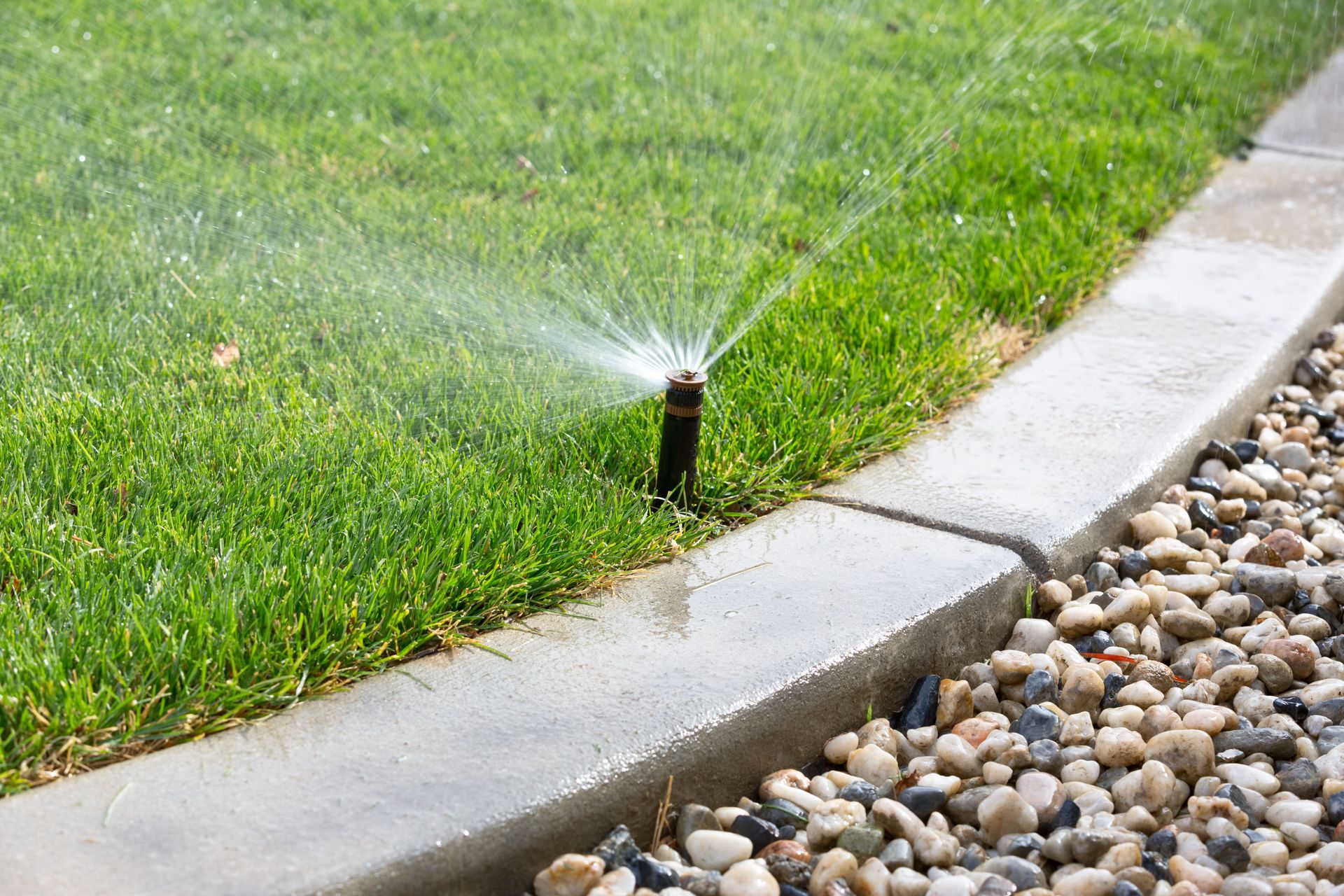
A properly designed system uses carefully placed heads and nozzles to deliver overlapping coverage across the entire property. Instead of chasing dry spots with a hose, you can count on lawn sprinkler systems to reach every section of turf. A professional installer will evaluate your yard's shape, slopes, and sun exposure to make sure no area gets left behind.
2. Your Water Bill Keeps Climbing
Manual watering often wastes more water than homeowners realize. It's easy to leave a sprinkler running too long, water during the hottest part of the day, or forget to turn it off before an afternoon storm rolls in. All that extra water shows up on your monthly bill without doing much for your landscape.
Modern lawn sprinkler systems help you use water more efficiently. Water-efficient nozzles and heads apply moisture at a rate the soil can absorb, while rain sensors and moisture detectors can pause a watering cycle when the ground already has enough. Smart irrigation controllers let you schedule watering for the early morning, when less water evaporates before it reaches the roots. These features work together to reduce waste and help keep utility costs more predictable.
3. Watering Takes Up Too Much of Your Time
Dragging hoses across the yard, moving sprinklers around every so often, and remembering to water before work can quickly turn lawn care into a chore. If you find yourself planning your day around your watering routine, an automated system can give you that time back.
Once a professional installs your system, a programmable controller handles the schedule for you. Your lawn gets water on the right days and at the right times, even when you're traveling or busy with other responsibilities. For families with full schedules and business owners managing commercial properties, lawn sprinkler systems offer peace of mind and a more consistent result than hand watering ever could.
4. Your Plants Look Stressed or Uneven
Lawns and planting beds that look healthy in one area and wilted in another often have a watering problem. Shady spots may stay damp for too long, while sunny areas dry out quickly, leading to yellowing leaves, thin turf, or plants that never seem to fill in. Overwatering can cause just as many issues as underwatering, including shallow roots and soggy soil.
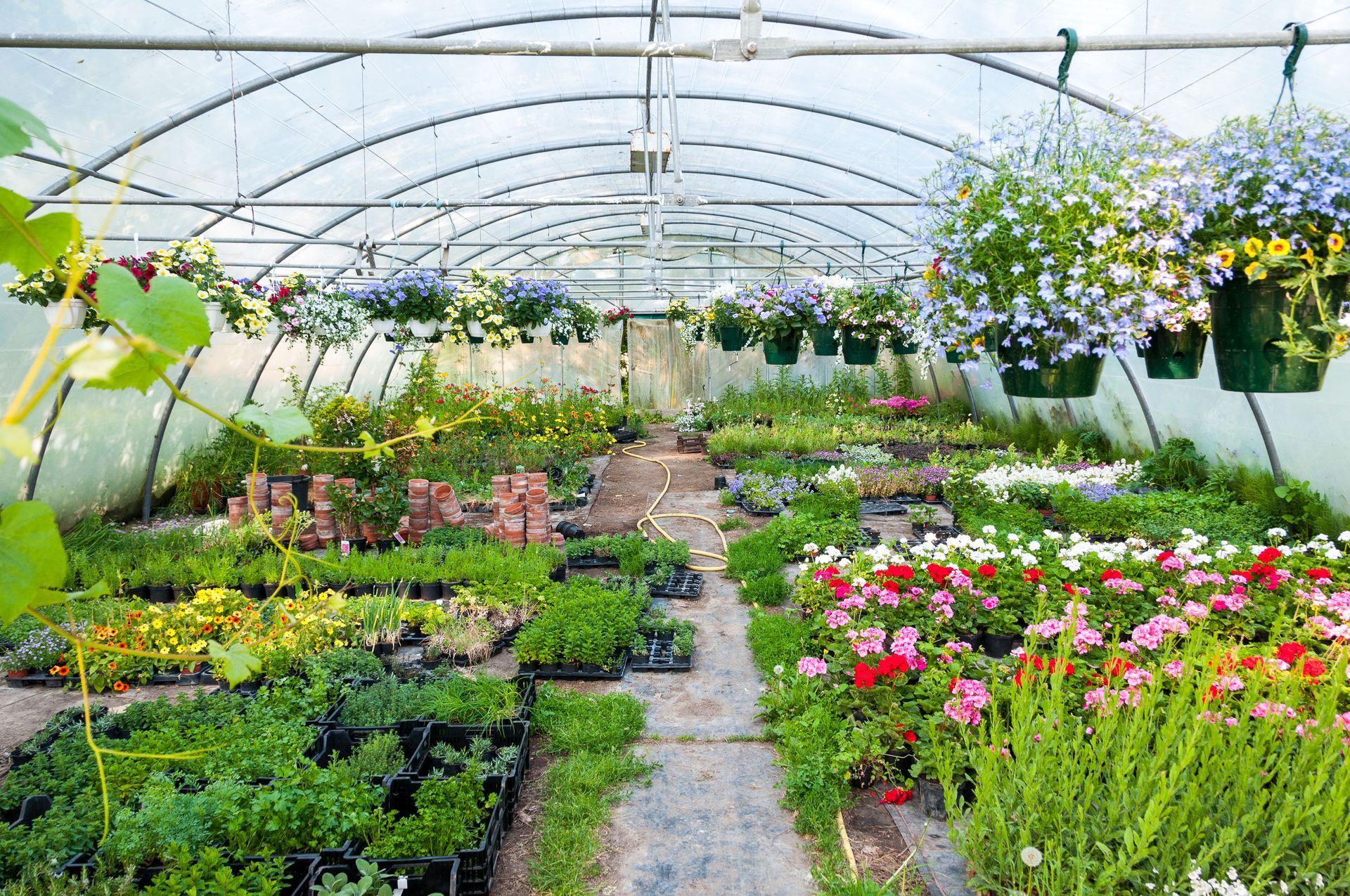
Zoned irrigation layouts solve this by dividing your property into sections based on plant type, sun exposure, and soil conditions. Each zone receives the amount of water it needs, so your lawn, shrubs, and flower beds can all thrive at the same time. Drip irrigation can also deliver water directly to the roots of shrubs and garden beds, reducing evaporation and keeping foliage dry. Working with professionals ensures that lawn sprinkler systems and drip lines are set up correctly for each area of your landscape.
5. Your Landscape Has Recently Expanded
Have you recently installed new sod, added planting beds, or completed a landscape renovation? New plants need consistent moisture while their roots establish, and that demand can be difficult to meet by hand. Missing even a few hot days of watering can set back fresh sod or young shrubs and put your investment at risk.
Installing lawn sprinkler systems alongside new landscaping gives those plantings a strong start. A professional can design the layout around your new features so that each area gets the right coverage from the beginning. Planning irrigation during a landscape project also makes installation easier, since crews can run lines before beds and hardscapes are finished.
6. Water Runs Off Instead of Soaking In
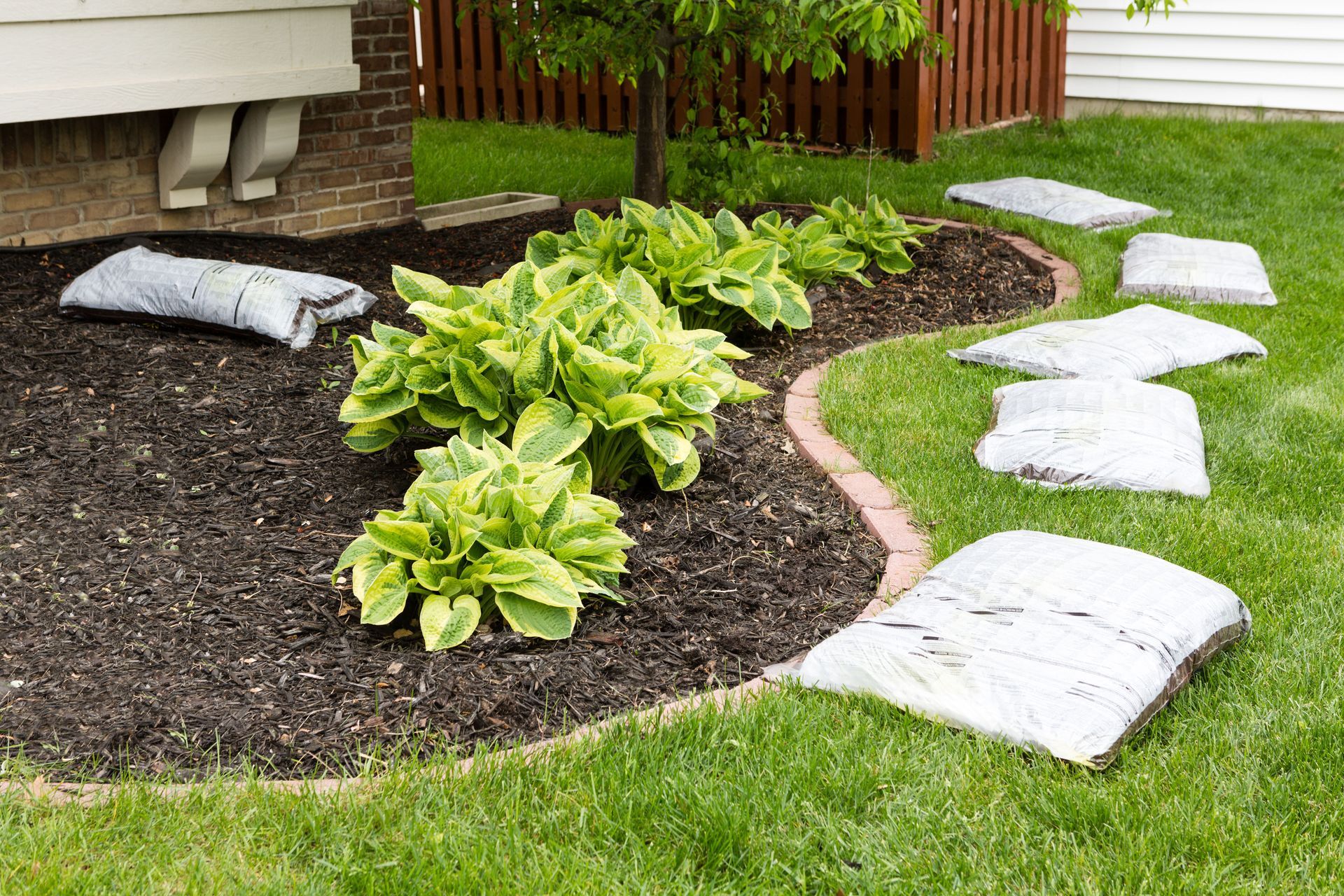
If water pools on your lawn, streams down your driveway, or washes mulch out of your beds, your current method is likely applying too much water too quickly. Runoff not only wastes water but can also erode soil, carry away nutrients, and leave roots without the moisture they need. Sloped yards and compacted soil make this problem even more common.
Professionally designed lawn sprinkler systems use the right heads, flow rates, and cycle times to match how quickly your soil absorbs water. Shorter, repeated watering cycles can help moisture soak deep into the ground rather than running off the surface. Backflow prevention devices also protect your home's water supply from contamination, which is another reason to leave installation to licensed professionals.
7. Your Curb Appeal Has Started to Slip
A patchy, discolored lawn can make an otherwise beautiful home or commercial property look tired. First impressions matter, whether you're hosting guests, welcoming customers, or preparing to sell. A lush, evenly green yard signals that the owners take good care of the property. Brown spots, bare areas, and wilted shrubs, on the other hand, can send the opposite message to neighbors, visitors, and potential buyers.
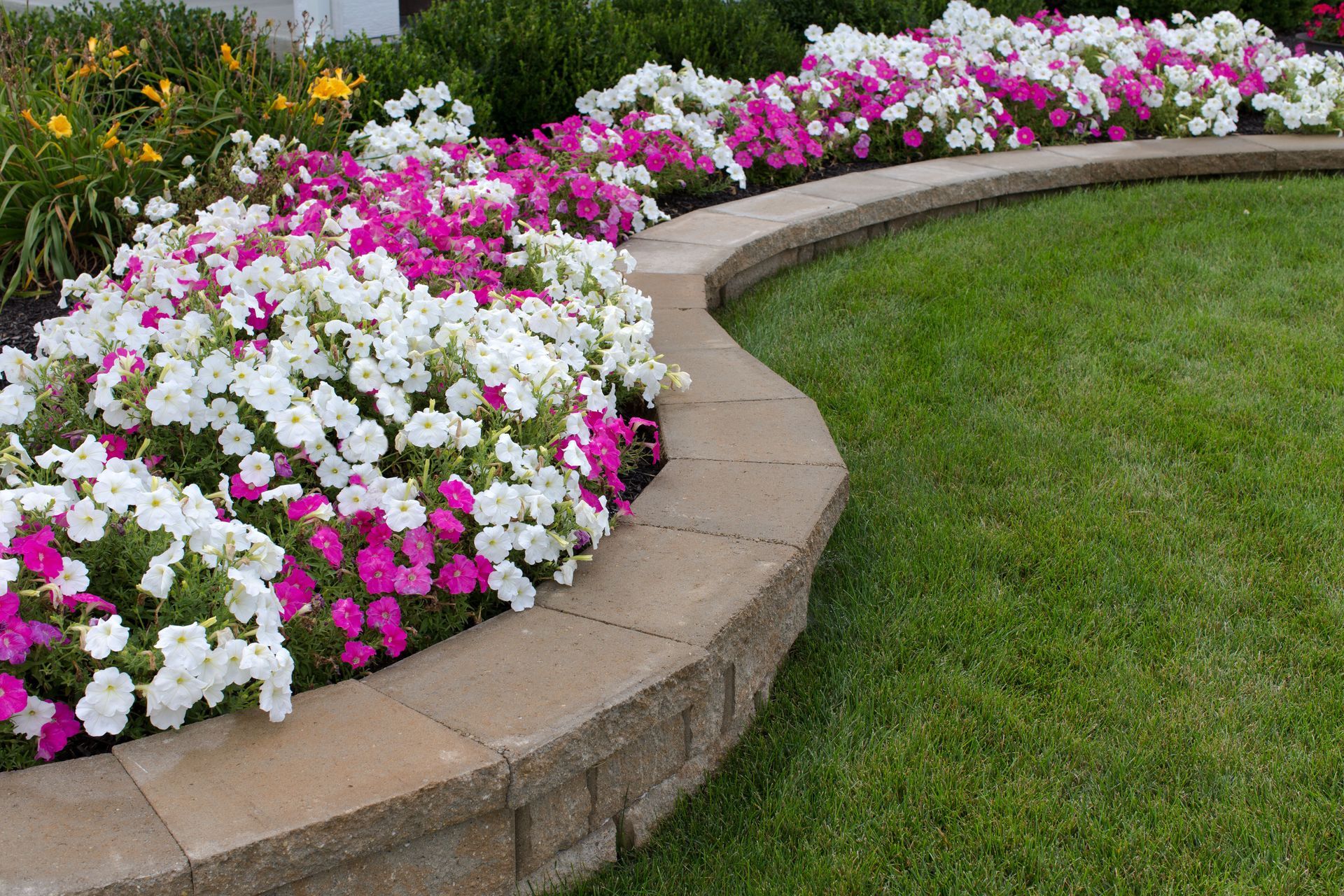
According to HomeGuide, depending on the type and quality of the improvements, landscaping can raise a home's value by anywhere from 10% to 30%. Healthy turf and well-kept planting beds play a big role in that value, and consistent irrigation helps protect them through hot, dry stretches. A well-planned system also protects other investments in your yard, such as new shrubs, garden beds, and seasonal flowers, so they continue adding beauty and value over time. Investing in lawn sprinkler systems keeps your landscape looking polished and inviting all year long.
Recognizing these signs early can save you time, money, and frustration while keeping your landscape healthy. Whether you're dealing with stubborn dry patches, rising water bills, or a newly expanded yard, an irrigation system offers a reliable solution. Waiting too long can lead to thinning turf, stressed plants, and costly repairs, while acting now helps you protect the time and money you've already invested in your outdoor space. Professional design and installation ensure your system delivers efficient, even coverage that fits your property.
If you're ready to explore lawn sprinkler systems for your home or business, contact us at Evergreen Nursery & Landscaping today. We're licensed in both North Carolina and South Carolina, and we design every system around your property's layout, soil, and plantings. Our team has served the Carolina Coast for decades, and we offer free estimates within 24 hours. Let us design and install a system that keeps your lawn green and thriving for years to come.