September 22, 2026
A thriving landscape requires careful timing, thoughtful selection, and an understanding of seasonal transitions. Throughout the calendar year, environmental factors change dramatically, shifting the needs of domestic landscapes from foundational prep work to active maintenance. Navigating these seasonal shifts successfully requires strategic purchases that match the dynamic rhythm of nature. From early spring soil amendments to mid-summer hydration management, acquiring the right supplies at key moments ensures long-term vitality for all your outdoor spaces. By recognizing how temperature fluctuations impact root development, growers can make timely adjustments that prevent unnecessary plant stress.
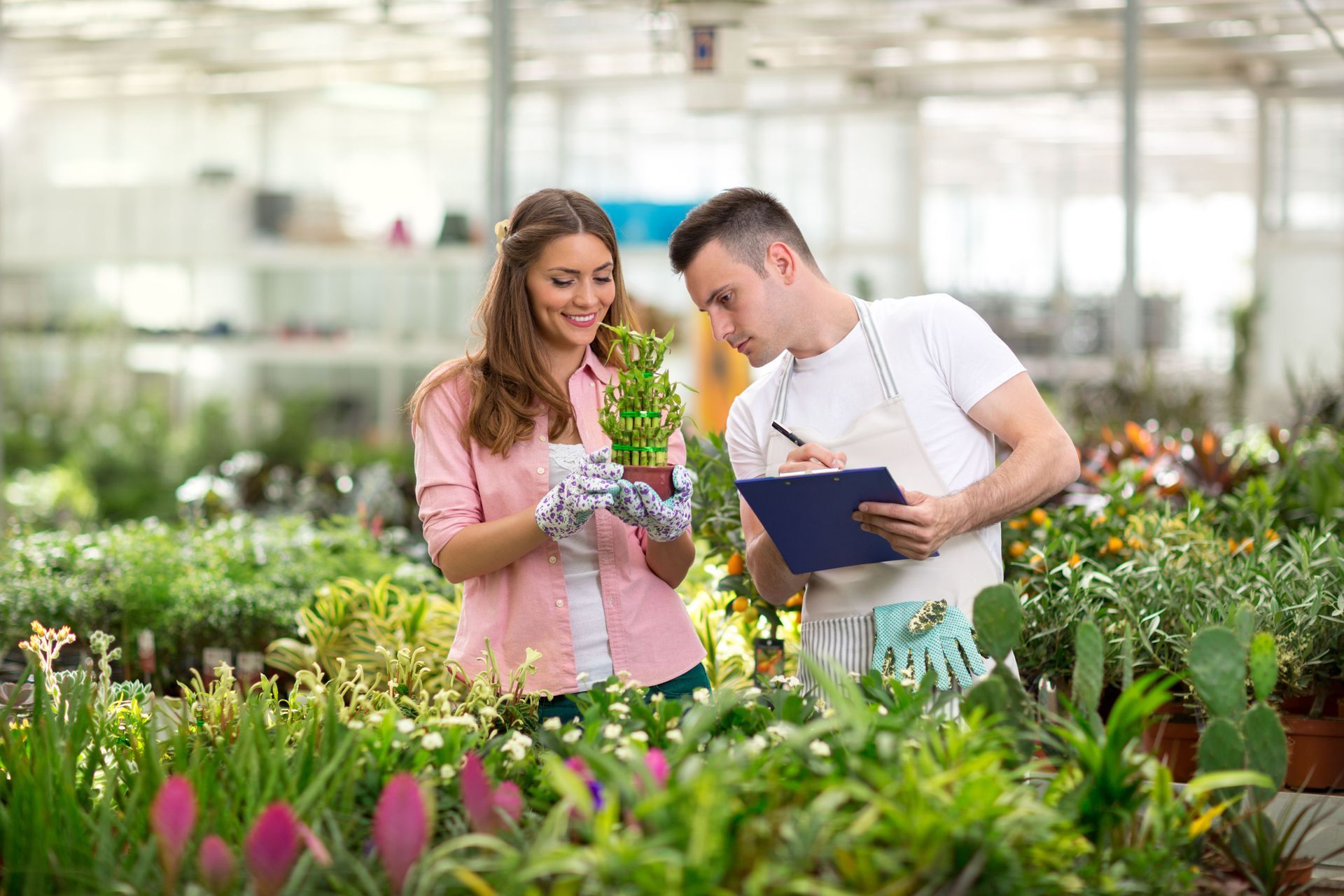
Navigating local markets and supply centers effectively allows gardeners to make informed investments that pay dividends in plant health and yields. Engaging with professional growers provides invaluable insights into regional soil compositions, microclimates, and tailored care routines. With around 10,000 nurseries, garden stores, and large gardening businesses operating in the USA, according to Marknteladvisors, there is no shortage of choices to explore. Leveraging these professional resources empowers growers to make every purchase count towards building an enduring, sustainable ecosystem. Taking the time to build relationships with these local experts often leads to personalized recommendations for tricky landscape conditions.
Planning for Early Spring Preparations
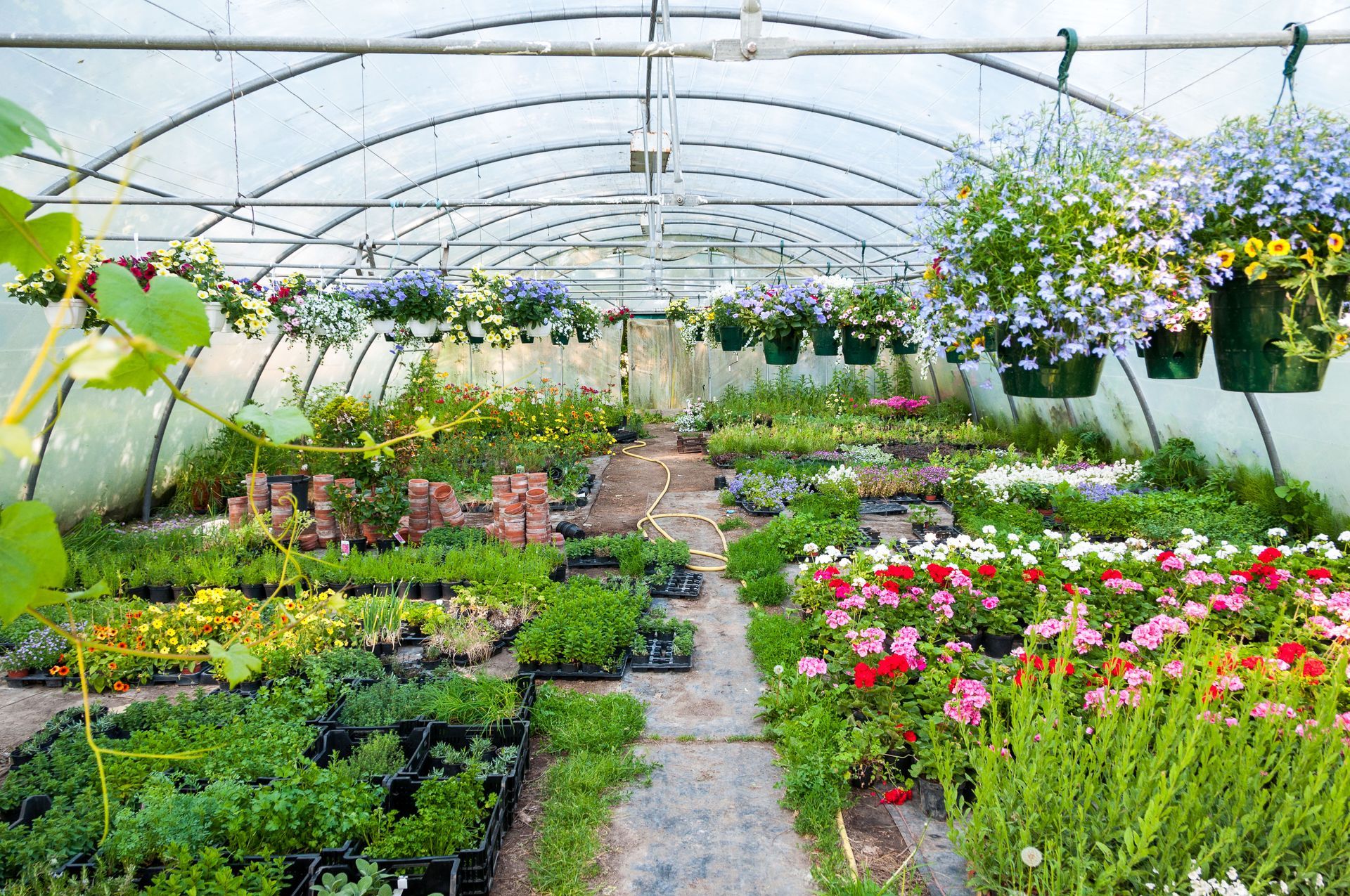
Winter offers a distinct window of opportunity to lay the structural foundation for the upcoming growing calendar. Securing cold-hardy plant varieties in late winter guarantees an early splash of color when lower temperatures linger, revitalizing dormant landscapes with pansies, violas, and resilient foliage. Acquiring robust seedlings suited for early protection yields stronger root systems and accelerates maturity when warm weather arrives. Visiting a local plant nursery allows growers to source verified healthy stock, ensuring these young specimens adapt smoothly to seasonal shifts and establishing a head start long before the final frost passes. Starting these preparations inside also gives enthusiasts a fulfilling routine during the coldest months of the year.
Proper equipment maintenance and soil preparation must also occur during these cold weeks to set up future success. Collecting quality pruning equipment allows growers to clean up dormant trees and late-winter shrubs, promoting structured branching and disease resistance. Concurrently, acquiring organic soil amendments like compost or specialized fertilizers feeds the native soil microbiome, building deep nutrient reserves for upcoming beds. Securing these essential supplies early prevents last-minute rushing and guarantees your soil is fully primed to feed hungry root systems the moment spring planting begins. Inspecting existing tools during this quiet window ensures that broken gear is replaced well before active garden work starts.
Transitioning into Outdoor Planting
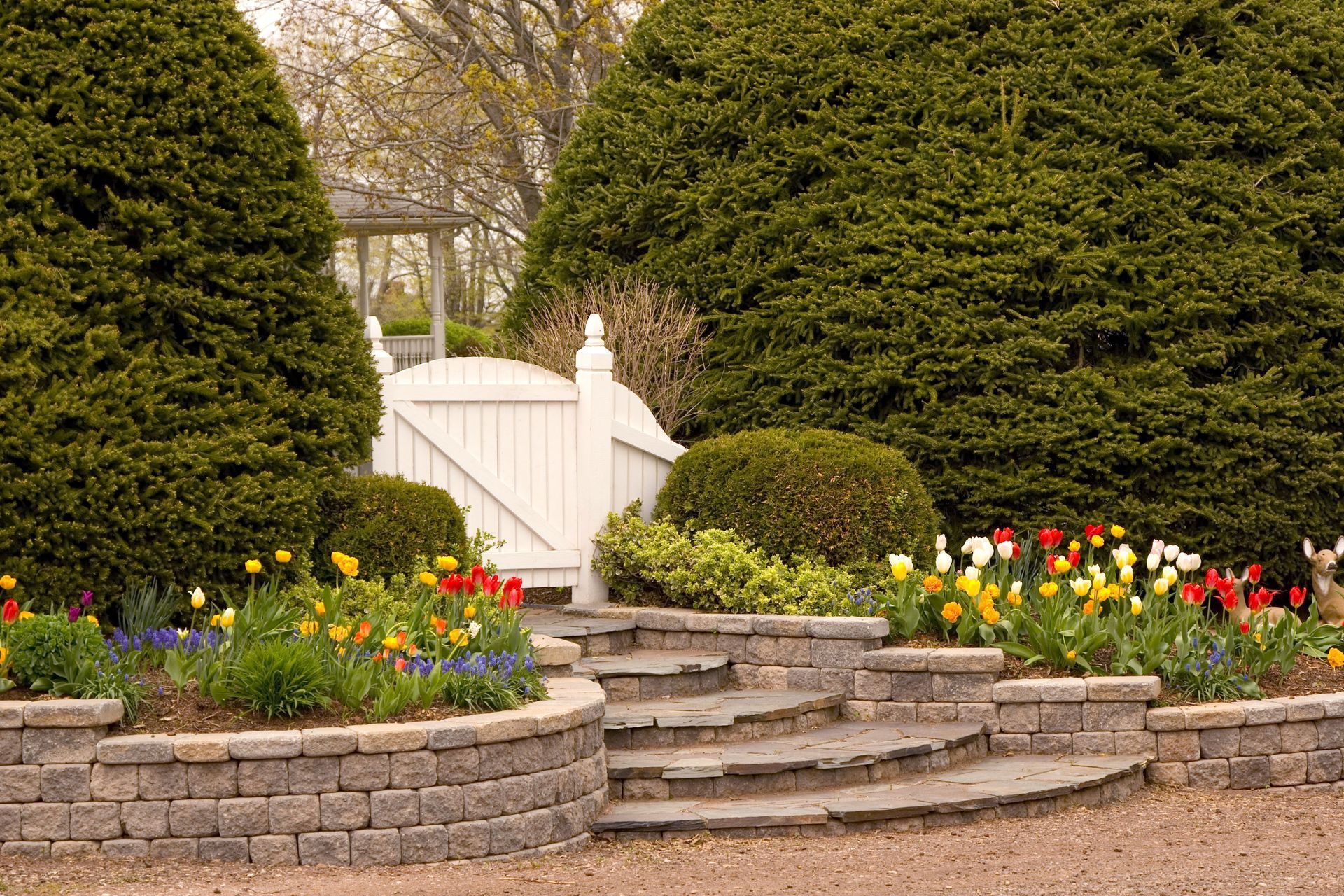
When the ground thaws and spring arrives, the primary focus shifts directly toward establishing outdoor crops and seasonal color displays. Sowing frost-tolerant vegetable options like spinach, kale, and root crops creates an immediate culinary harvest while environmental conditions remain cool. Complementing these food crops with early-blooming spring bulbs creates eye-catching visual landscapes that attract early pollinators. Consulting with experts at a commercial plant nursery ensures that selected bulb types match specific light levels and soil conditions, translating into a seamless transformation from bleak winter beds to vibrant outdoor living spaces. Watching these early beds erupt into growth brings a welcome sense of renewal to the entire property.
Extending the outdoor growing season requires dedicated protective measures and structural upgrades. Applying thick layers of protective mulch across newly planted beds retains critical soil moisture, regulates root temperatures, and naturally suppresses invasive weed growth. Incorporating compact or full-sized greenhouses provides an ideal microclimate, sheltering delicate starts from unexpected frost snaps and driving rapid early growth. Investing in these essential protective barriers and structures stabilizes the growing environment, minimizing physical stress on fresh plantings while maximizing early-season productivity and overall landscape health. Having these structural safeguards in place allows growers to experiment with slightly more delicate varieties without unnecessary risk.
Strengthening Spring Growth
As mid-spring brings warmer temperatures and extended daylight hours, attention turns toward long-term landscape structures and ecosystem balance. Incorporating durable trees, shrubs, and native plant species establishes strong root architecture prior to the intense heat of summer. Interplanting these foundational species alongside beneficial companion plants naturally reduces insect pressure, enhances soil fertility, and improves crop yields. Selecting healthy stock from a regional plant nursery guarantees that new additions are naturally adapted to local climates, reducing irrigation reliance while actively supporting regional pollinators and native wildlife. Prioritizing native species creates a self-sustaining environment that requires fewer synthetic inputs over time.
Sustaining rapid spring growth requires structured maintenance products and proactive biological protection measures. Applying targeted lawn treatments restores grass density and prevents aggressive weed colonization across open turf areas. Concurrently, establishing organic disease control routines mitigates common issues like powdery mildew and root rot before they spread to nearby beds. Utilizing integrated biological solutions maintains precise environmental health without compromising beneficial soil organisms, building a balanced ecosystem capable of enduring seasonal shifts with minimal intervention. Staying ahead of potential outbreaks saves significant labor compared to managing widespread infections later in the season.
Preparing for Extreme Summer Heat
The onset of intense summer temperatures demands a rapid transition toward moisture retention and sun protection strategies. Sourcing drought-resistant plant varieties like lavender, succulents, and ornamental grasses maintains aesthetic appeal without overextending local water resources. Installing protective shade cloths and temporary canopy structures shields tender foliage from harsh midday sun, preventing leaf scorch and lowering root zone temperatures. Utilizing a reputable plant nursery ensures access to specialized shade materials and resilient plant varieties specifically bred to survive high temperatures and prolonged dry spells. Planning for heat efficiency keeps the landscape looking fresh even during extended periods of minimal rainfall.
Sustaining peak production during hot months requires efficient harvesting tools and active organic waste management. Equipping your workspace with sharp, specialized harvesting tools guarantees clean cuts on mature produce, protecting main stems and encouraging continuous fruit production. Channeling excess plant trimmings into dedicated composting systems turns seasonal waste into rich, moisture-retaining organic matter for future cycles. Practicing these sustainable resource management strategies reduces external inputs, preserves critical soil moisture, and maintains healthy growth through the demanding summer period. Consistently processing these organic materials ensures a steady supply of natural fertilizer for subsequent planting phases.
Purchasing Supplies for Autumn Harvests
Late summer and early autumn present a crucial window for transitioning away from hot-weather crops and establishing robust cool-season gardens. Sourcing cold-tolerant greens, root vegetables, and fall-flowering perennials allows growers to maintain active production long after summer annuals decline. Upgrading irrigation systems with automated timers, drip lines, and soaker hoses delivers precise moisture directly to root zones, maximizing water efficiency while keeping labor requirements low. Browsing a retail
plant nursery during this late-season window provides access to prime fall planting inventory, allowing growers to extend their harvest window significantly. Extending the production window into autumn yields fresh harvests right up until the ground freezes.
Preparing the landscape for impending winter frost requires deliberate soil protection and inventory management. Purchasing cover crop seeds, heavy-duty frost blankets, and insulated container wraps shields delicate plants from early freeze damage and prevents nutrient leaching over winter. Layering fresh organic matter across exposed soil keeps delicate micro-fauna active, ensuring high fertility levels remain intact for the following year. Investing in these essential winterization products protects your structural investments, fortifies soil networks, and establishes an optimal environment for next spring's growth cycle. Taking these protective measures late in the year reduces the workload required to wake the garden up when warm weather returns.
By establishing a clear calendar for purchasing plants, tools, and protective supplies, property owners can cultivate lush, resilient landscapes that thrive across every season. Implementing strategic timing, building healthy soil biology, and sourcing regionally adapted species eliminates unnecessary guesswork while optimizing long-term garden output. Partnering with experienced horticultural professionals at Evergreen Nursery & Landscaping provides access to premium inventory, tailored advice, and sustainable products needed to achieve your landscaping goals year-round. Visit our retail location today to explore our seasonal inventory, consult with our expert staff, and source everything you need to build a vibrant, flourishing garden.