October 21, 2026
A well-designed outdoor space can transform a property's appearance, functionality, and overall appeal. From inviting garden paths to comfortable patios and colorful planting beds, the right materials help homeowners turn ordinary yards into attractive extensions of their living areas. Thoughtful improvements can also make a property more appealing to potential buyers while creating a more enjoyable environment for everyday life.
Choosing quality landscaping supplies is an important part of achieving these results. Materials influence durability, maintenance requirements, and the overall appearance of an outdoor space. Whether the goal is to create a peaceful garden retreat or a lively entertaining area, selecting appropriate products helps bring the design together and supports lasting value.
Choose Materials That Complement the Property
Every successful outdoor project begins with a clear vision. Materials should complement the home's architectural style, exterior colors, and surrounding environment. Natural stone may suit a traditional property, while clean-edged pavers and minimalist planting arrangements can enhance a contemporary design. Coordinating these elements creates a polished appearance that feels intentional.
Color, texture, and scale also influence how materials work together. Decorative stone can add visual interest to planting beds, gravel can introduce contrast, and edging can create crisp boundaries between lawns and gardens. Selecting complementary products establishes a consistent design that makes the property feel organized and inviting.
Homeowners should also consider how materials will look throughout the seasons. Evergreen plants, textured stone, and carefully selected mulch can maintain visual interest when flowering plants are no longer in bloom. Combining permanent features with seasonal greenery helps the landscape remain attractive throughout the year.
Build Functional Outdoor Living Areas
An attractive yard becomes more valuable when it supports practical activities. Patios provide room for outdoor dining, seating areas encourage relaxation, and defined walkways make it easier to move between different parts of the property. Materials should match the intended use, available space, and expected foot traffic.
Quality landscaping supplies can help establish distinct outdoor zones without making a yard feel crowded. Pavers can define a gathering area, while stepping stones can connect a garden to a quiet seating nook. Planning these transitions carefully creates an environment that feels connected and easy to navigate.
Consider how people will move through the space. A patio near the back door provides convenient access for meals, while a pathway leading to a shaded corner encourages relaxation. Clear routes between destinations make the yard easier to use and help every feature serve a practical purpose.
Prioritize Durability and Long-Term Performance
Outdoor materials must withstand changing weather, regular use, and exposure to the elements. Products that initially look appealing may become costly if they deteriorate quickly or require frequent replacement. Considering durability before purchasing materials helps homeowners avoid unnecessary maintenance and protect their investment.
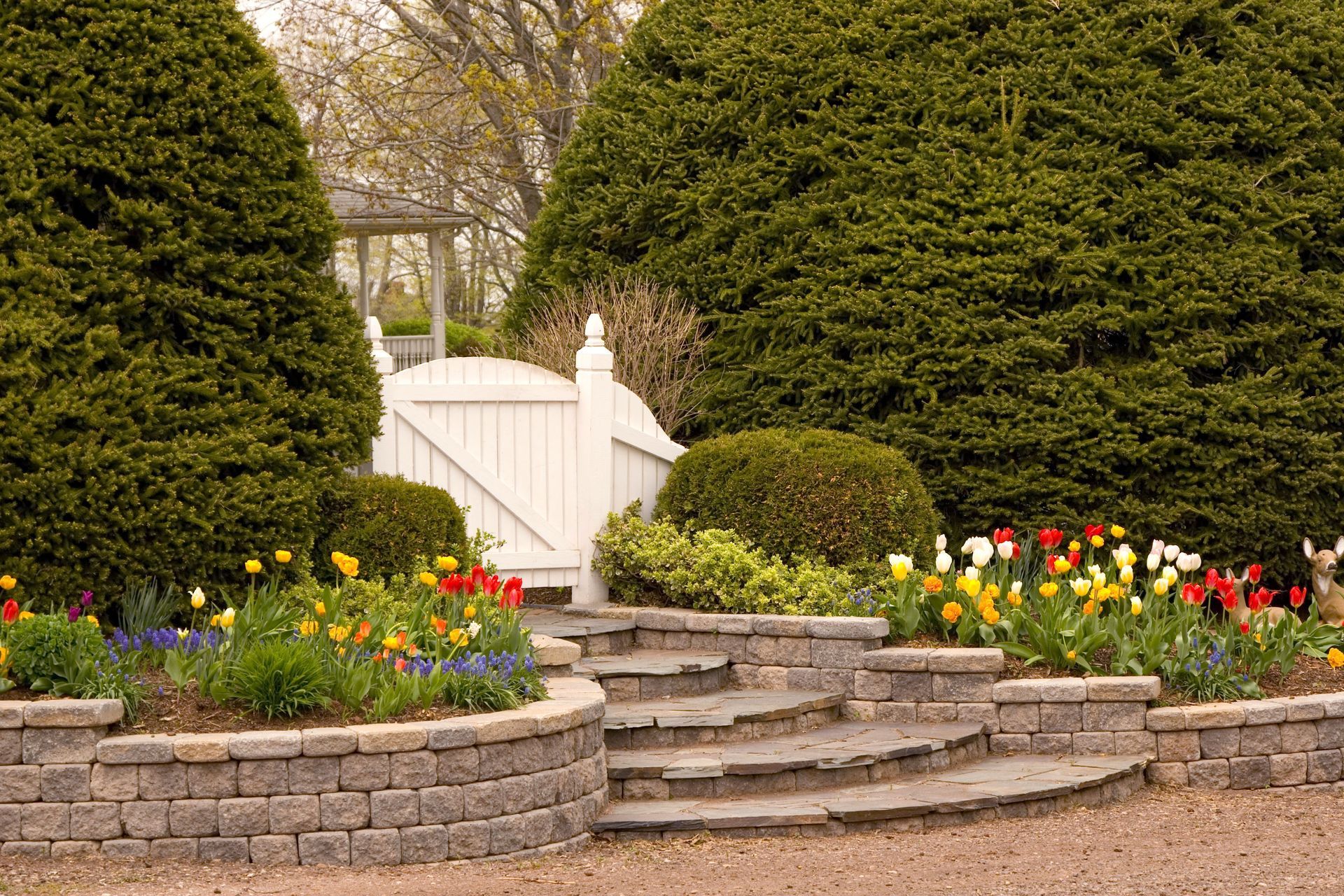
The right selection depends on each feature's location and purpose. Walkways need stable surfaces, while areas exposed to heavy rainfall may require careful drainage planning. Retaining walls and other structural elements also need appropriate materials and proper installation. Matching products to site conditions helps outdoor features remain attractive and functional.
Preparation matters just as much as product selection. Even quality materials can develop problems when installed on an unstable base or without suitable drainage. Following installation recommendations and addressing underlying conditions helps preserve the finished landscape, reduce avoidable repairs, and support dependable long-term performance.
Improve Curb Appeal With Thoughtful Details
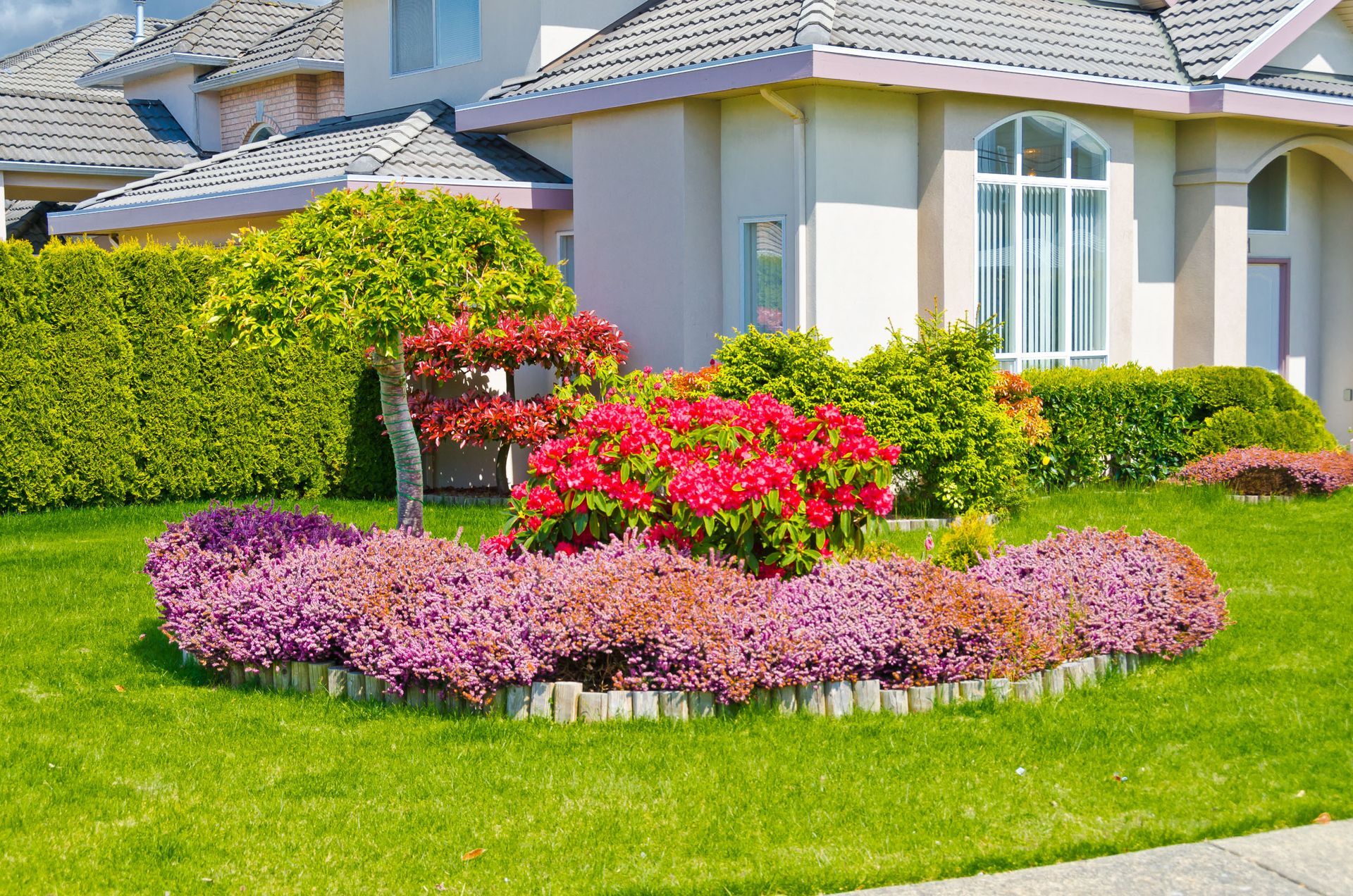
The front yard shapes a visitor's first impression of a property. Clean planting beds, defined borders, attractive pathways, and coordinated decorative features can make an entrance feel welcoming. Even modest improvements can make a noticeable difference when the materials support a consistent landscape design.
Small details help a finished project look organized. Edging separates grass from mulch or stone, decorative gravel introduces texture, and carefully placed pavers create a structured approach to the home. These features establish clear boundaries between different areas and help the property appear well maintained.
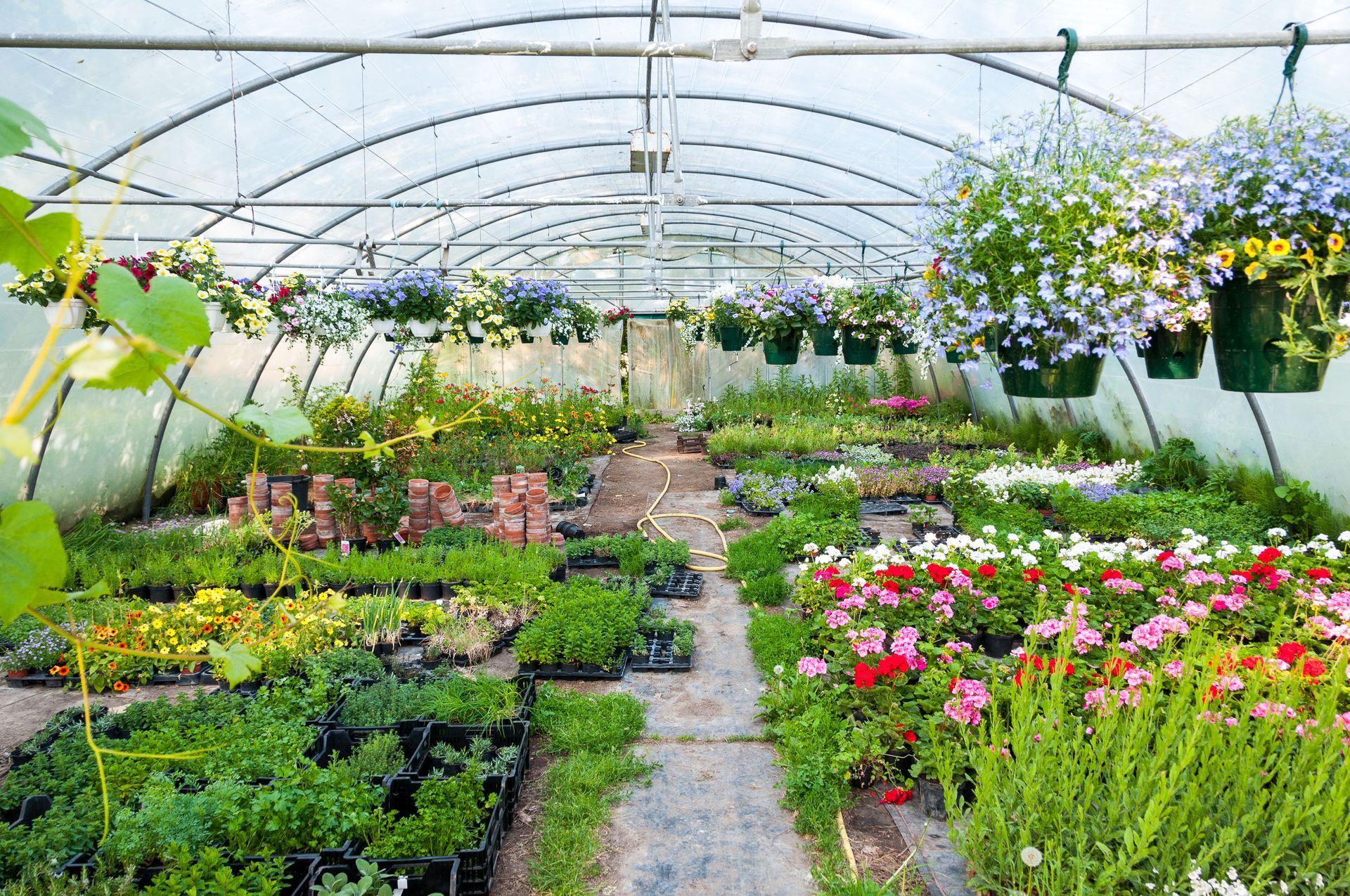
Plant selection can strengthen the overall effect. Flowering plants introduce seasonal color, shrubs provide structure, and ground covers soften the edges of paved areas. Combining greenery with complementary materials creates visual interest without overwhelming the property. Choosing plants suited to local conditions also helps maintain an attractive appearance.
Create Low-Maintenance Garden Spaces
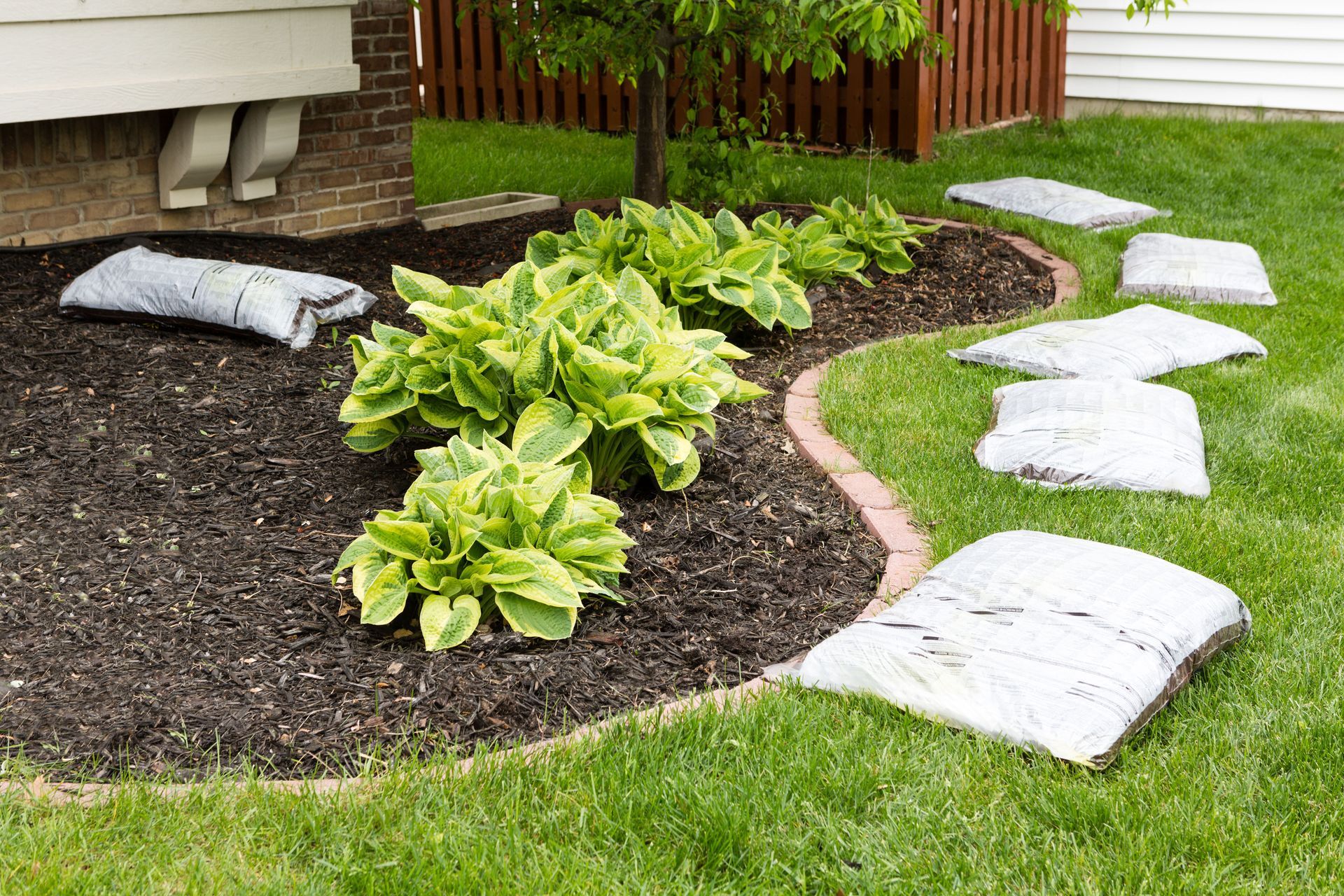
A beautiful landscape should be enjoyable to maintain rather than a constant source of work. Suitable ground coverings, borders, and planting materials can reduce the effort required to keep outdoor areas looking neat. Mulch can help retain soil moisture and limit weed growth, while decorative stone provides an alternative finish for selected garden beds.
Homeowners should evaluate maintenance requirements when selecting landscaping supplies for garden projects. Some materials need occasional replenishment, while others require periodic cleaning or repositioning. Choosing products that fit the household's available time and gardening preferences makes the finished space more practical.
Garden layouts can also simplify ongoing care. Grouping plants with similar sunlight and watering requirements makes maintenance easier, while allowing enough room between plants supports healthy growth. Accessible planting beds make pruning and weeding more convenient, helping homeowners preserve the landscape without unnecessary effort.
Ground coverings should match the needs of surrounding plants and soil conditions. Organic mulch may benefit certain planting beds, while stone can work well in areas where a different decorative finish is desirable. Considering drainage and plant compatibility before installation helps create a landscape that balances visual appeal with manageable upkeep.
Increase Property Appeal Through Smart Planning
Outdoor improvements can influence how prospective buyers perceive a home. A cohesive landscape suggests that the property has been thoughtfully maintained, while functional outdoor features help buyers imagine how they might use the space. According to Yahoo Finance, landscaping can raise a home's resale value by an average of 15 to 20%, demonstrating the potential financial benefits of attractive outdoor surroundings.
However, achieving meaningful value involves more than purchasing attractive products. Homeowners should prioritize improvements that suit the property's layout, complement the home, and serve practical purposes. A well-placed patio, organized planting beds, or an appealing entryway may offer more benefits than decorative additions without a clear function.
Budget planning is equally important. Improving an uneven walkway, refreshing neglected garden beds, or creating a functional seating area may address more pressing needs than adding elaborate features.
The neighborhood and existing property features should also influence decisions. Outdoor designs should complement the home rather than appear disconnected from their surroundings. Buyers may appreciate usable patios, attractive planting arrangements, and well-maintained paths, making thoughtful planning an important part of creating lasting appeal.
Bring the Outdoor Vision Together
Creating a valuable outdoor living space requires balancing appearance, usability, durability, and maintenance. Every material contributes to the finished environment, from the surfaces beneath a seating area to the decorative details surrounding a garden. Establishing project priorities helps homeowners select products that work together.
Before starting, assess the yard's existing conditions and determine how each area should function. Consider drainage, sunlight, foot traffic, and ongoing maintenance requirements. Comparing available materials with these practical needs can simplify purchasing decisions and help prevent costly changes during installation.
Gathering samples and comparing finishes can also help homeowners choose colors and textures that complement the home's exterior. Planning the installation sequence ensures that pathways, planting beds, and finishing details fit together smoothly.
Explore the available options at Evergreen Nursery & Landscaping and start creating an outdoor space that delivers lasting enjoyment, everyday functionality, and greater property appeal.