September 21, 2026
Selecting vibrant flora for home landscapes allows gardeners to enjoy continuous seasonal color, elevated curb appeal, and lush outdoor surroundings. Careful selection guarantees robust root establishment, continuous bud production, and strong resilience against fluctuating weather conditions. Many home gardeners rely on vibrant annual flowers to fill garden beds with quick, dependable color from early spring until the autumn frost.
According to The Business Research Company, the flower and ornamental plant market size has reached $50.54 billion in 2025. Understanding how to select, plant, and nourish continuous bloomers ensures your outdoor garden space remains visually stunning, healthy, and productive throughout the entire growing season.
Evaluating Sunlight Requirements for Optimal Growth
Matching specific plant species to the exact light levels in your yard forms the foundation of continuous seasonal blooms. Full-sun varieties need six hours of direct light daily, while shade lovers prefer dappled morning light with protection from harsh afternoon heat. Placing sun-loving plants in shaded beds results in leggy stems, pale foliage, and few blossoms, wasting time and effort.
Conversely, delicate shade species wither when exposed to intense summer heat, causing premature wilting and scorched leaves. Checking sunlight patterns across your garden bed throughout the day helps you select vigorous annual flowers suited for those specific environmental conditions.
Assessing Soil Quality Through Careful Testing
Rich, well-draining soil provides essential nutrients and moisture required for continuous bud development and strong root network growth. Testing soil pH and texture reveals whether organic compost, peat moss, or agricultural lime is needed to improve soil structure. Clay soils retain excessive moisture that causes root rot, while sandy soils drain quickly, leaching away valuable plant nutrients.
Incorporating organic matter improves aeration and water retention, creating an ideal environment where young roots spread easily. Nurturing healthy soil conditions early ensures your planted annual flowers establish strong foundations, producing robust foliage and abundant blossoms all summer long.
Selecting Continuous Bloomers Through Varieties
Certain varieties naturally produce continuous blossoms for months, while others bloom briefly before shifting energy toward seed production. Choosing self-cleaning cultivars eliminates the need for manual deadheading, as spent blooms drop cleanly while new buds emerge automatically. Long-blooming varieties like petunias, marigolds, and zinnia varieties continuously form fresh buds throughout hot summer months.
Selecting continuous bloomers guarantees your flower beds stay colorful without requiring hours of manual maintenance every single weekend. Researching specific plant performance traits helps you choose low-maintenance annual flowers that deliver non-stop color with minimal effort from spring through fall.
Monitoring Water Requirements With Proper Techniques
Proper watering techniques keep root systems hydrated without causing fungal diseases or root decay from oversaturated soil conditions. Soaking the root zone deeply encourages roots to grow deep into the soil, building resilience against hot summer droughts. Overhead watering wets foliage, increasing the risk of powdery mildew, leaf spot, and fungal infections on delicate petals.
Utilizing drip irrigation or target hoses delivers moisture directly to soil level, optimizing water efficiency while protecting delicate flowers. Establishing consistent watering schedules ensures your annual flowers remain hydrated, vibrant, and actively blooming even during intense heat waves.
Fertilizing Garden Beds With Balanced Nutrients
Continuous blossom production depletes soil nutrients rapidly, requiring regular fertilization to sustain healthy growth and perpetual bud development. Balanced fertilizers containing nitrogen, phosphorus, and potassium support strong foliage development, root expansion, and prolific flowering. Excess nitrogen promotes lush green leaves at the expense of blossoms, while phosphorus specifically encourages heavy flower production.
Applying slow-release granular fertilizer at planting time, supplemented with liquid feeding, maintains steady nutrient availability throughout the season. Proper nutrient management prevents premature plant exhaustion, enabling your selected annual flowers to maintain brilliant colors until late autumn frosts arrive.
Pruning Spent Blossoms From Active Stems
Removing faded blossoms directs energy away from seed formation and redirects it back into developing fresh new buds. Regular deadheading prevents plants from setting seed, signaling the root system to keep producing colorful new floral displays. Pinching back leggy stem tips early in the season encourages bushy growth, resulting in compact plants with more flowering branches.
Compact, well-pruned plants resist wind damage and produce higher blossom counts compared to untamed, straggly specimens left unpruned. Dedicating time to routine pruning maintains neat garden aesthetics while extending the productive flowering lifespan of your favorite garden beds.
Mulching Plant Bases With Organic Materials
Applying a thick layer of organic mulch around plant bases conserves soil moisture, regulates root temperatures, and suppresses weeds. Bark chips, shredded leaves, or straw create a protective barrier that reduces evaporation, keeping roots cool during scorching summer afternoons. Weed suppression prevents aggressive invasive plants from competing for vital soil nutrients, light, and water resources around your flowers.
As organic mulch decomposes, it enriches the underlying soil with beneficial organic matter, improving overall soil fertility naturally over time. Proper mulching techniques reduce daily watering tasks while keeping your garden beds looking tidy, healthy, and professionally maintained.
Controlling Common Pests Through Natural Methods
Uncontrolled pest infestations damage foliage, destroy flower buds, and spread plant diseases quickly throughout closely planted garden beds. Inspecting leaf undersides regularly helps catch aphids, spider mites, and caterpillars before populations explode into destructive infestations. Utilizing natural pest controls, such as introducing predatory ladybugs or spraying insecticidal soap, targets harmful pests without damaging beneficial pollinators.
Removing diseased leaves immediately prevents fungal spores from spreading to adjacent healthy plants during humid summer weather. Protecting plant health through early intervention ensures your garden remains vibrant, healthy, and capable of producing brilliant blossoms continuously.
Designing Color Schemes Through Strategic Layouts
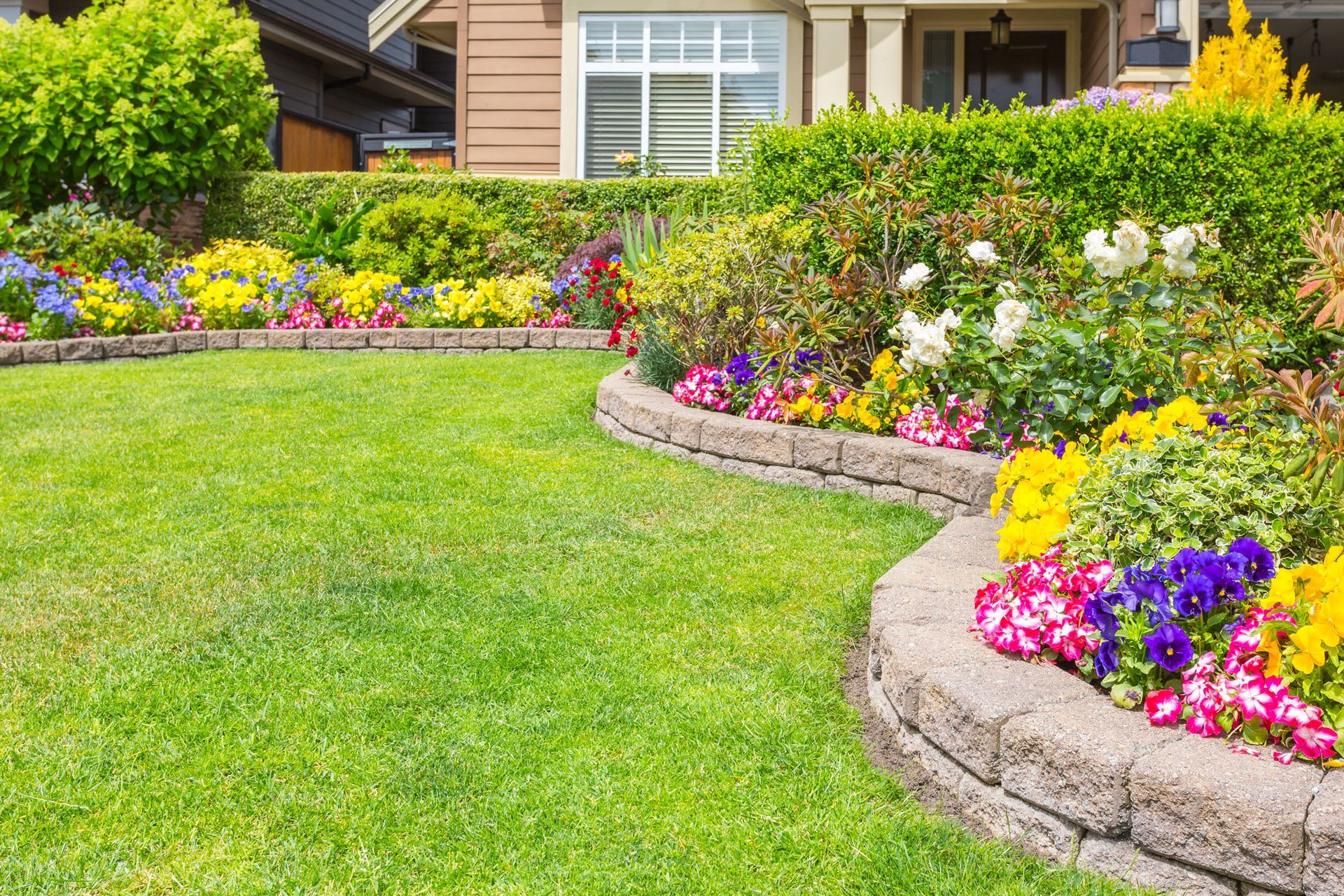
Arranging plants by height, foliage texture, and complementary colors elevates overall visual impact, transforming basic garden beds into showcases. Placing taller varieties at the back of borders prevents them from blocking sunlight from shorter, lower-growing edging plants nearby. Harmonizing complementary colors, like purple and yellow or pink and white, creates striking visual contrasts that draw viewer interest immediately.
Grouping plants with similar water and light requirements together simplifies routine care while maximizing healthy growth for every species. Thoughtful spatial design turns simple garden beds into dynamic outdoor displays that stay colorful, balanced, and visually stunning.
Spacing Young Seedlings With Precise Measurements
Overcrowding young plants restricts air circulation, promotes fungal diseases, and forces stems to compete fiercely for limited soil nutrients. Following recommended spacing guidelines on seed packets ensures mature plants have ample room to expand without overcrowding neighboring roots. Proper airflow between branches allows wet foliage to dry quickly after rainstorms, minimizing risks of leaf rot and mildew.
Adequate spacing also ensures every leaf receives sufficient sunlight, promoting uniform plant growth and maximum blossom development across the bed. Giving young plants sufficient space allows them to develop strong, healthy structures that support massive floral yields.
Creating a breathtaking, long-lasting garden display requires thoughtful planning, proper site selection, and consistent maintenance practices throughout the season. Understanding the specific light, soil, moisture, and nutrient needs of your plants ensures they establish deep roots and yield continuous blossoms.
Strategic practices like deadheading, mulching, proper spacing, and gradual acclimatization protect tender plants while maximizing their overall flowering potential. Protecting your garden from sudden weather changes and pest pressure keeps foliage healthy and flower production high through autumn.
Investing care into your garden yields rich rewards, transforming outdoor spaces into vibrant, continuous showcases of natural color and beauty. Are you considering annual flowers for your home garden? At Evergreen Nursery & Landscaping, we have everything you need for your landscaping and garden projects! Contact us today to learn more.