August 20, 2026
Creating a garden that offers stunning color from spring through fall requires thoughtful planning and an understanding of bloom schedules. By selecting the right blend of seasonal plants and flowers, you can craft an outdoor space that is aesthetically pleasing, ecologically vibrant, and continuously dynamic. Understanding seasonal variations helps property owners make informed decisions tailored to local climate conditions. With thoughtful plant selection, any landscape transforms into a stunning sanctuary offering an evolving palette of vibrant hues.
Achieving non-stop color involves layering different varieties of flora so that as one bloom fades, another takes center stage. Beyond visual appeal, deliberate planting enhances local biodiversity by providing food and shelter for pollinators throughout active growing seasons. According to data provided by iMarc Group, the market for floriculture across the United States reached a value of $8.6 billion in 2025. This statistic highlights how much value property owners place on enriching outdoor spaces with vibrant gardens.
Select Dynamic Spring Bulbs and Early Blooms
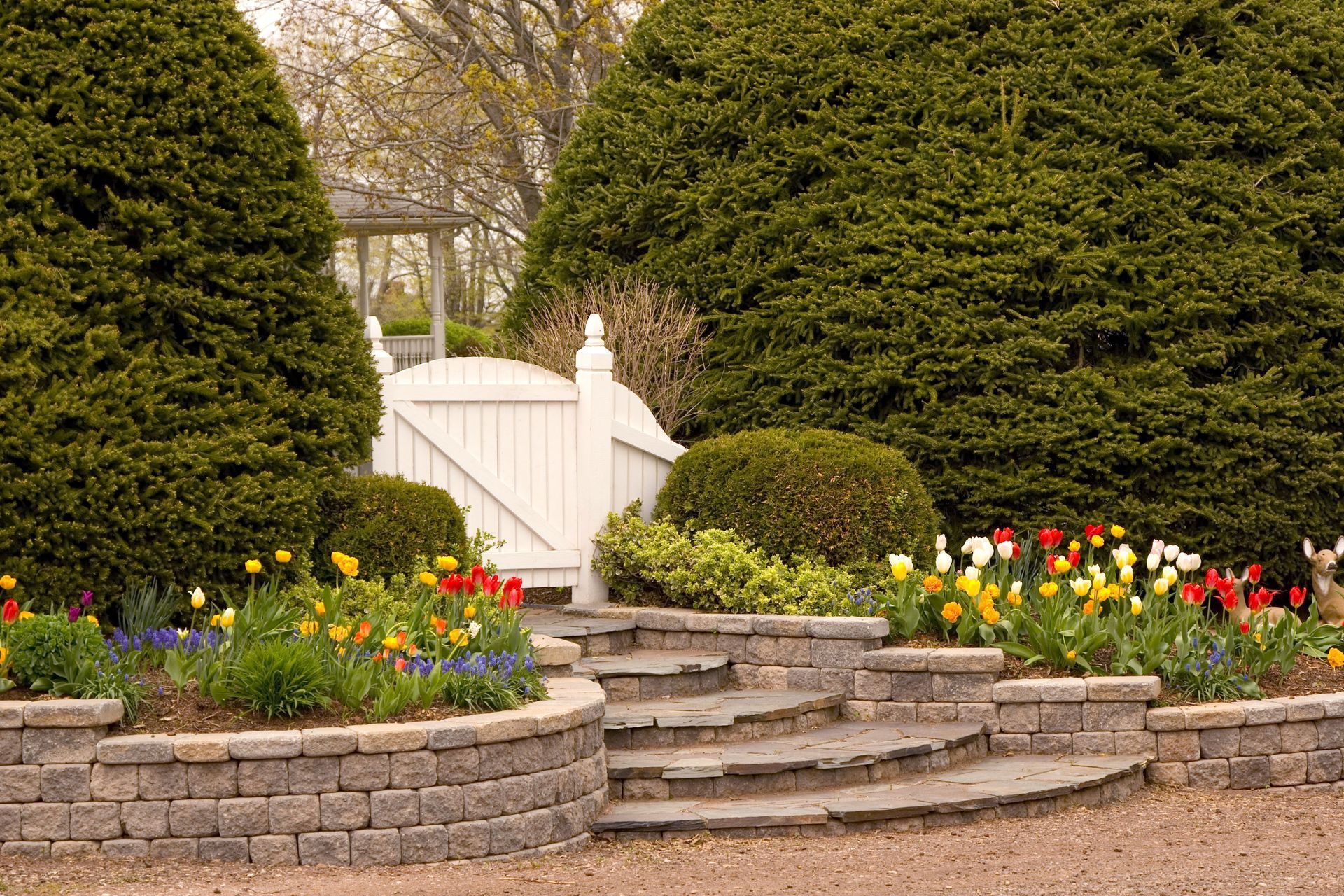
Spring bulbs like daffodils and tulips serve as essential garden staples, bringing early bursts of color after winter months. Planting these bulbs in autumn ensures they establish adequate roots before the growing season begins. Daffodils offer yellow trumpets that signal the awakening of nature, while tulips introduce striking colors and shapes. When integrated alongside perennial favorites like shade-tolerant bleeding hearts and lush peonies, your spring garden gains multidimensional depth. Adding ground covers like creeping phlox and vinca minor helps suppress weeds, stabilize soil, and blanket garden beds in delicate hues.
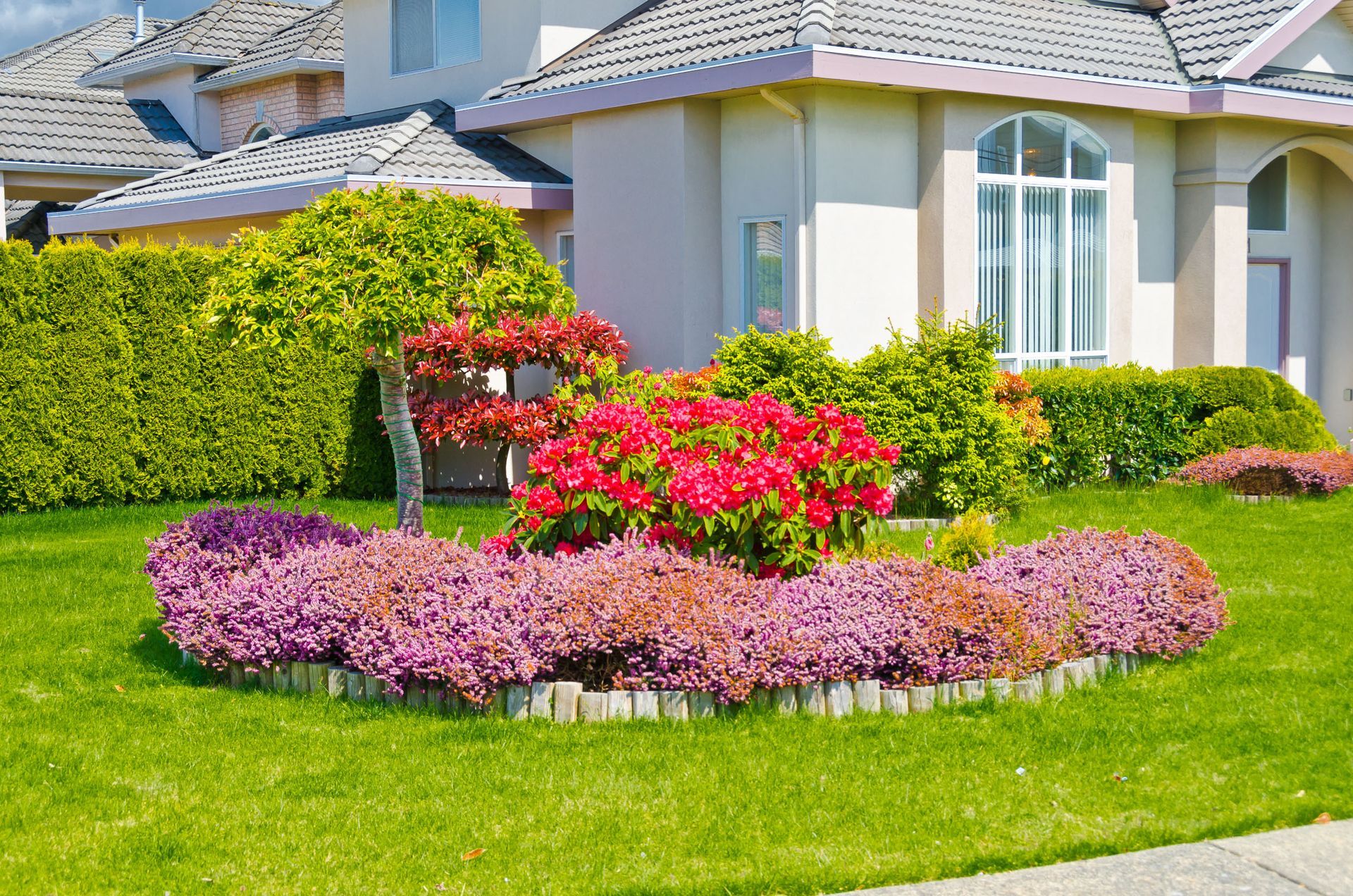
To maximize early spring impact, thoughtful site preparation and soil management remain vital. Selecting seasonal plants and flowers tailored for shade or full sun ensures strong root establishment and consistent bloom production. Flowering trees, including ornamental cherry blossoms and magnolias, add vertical height and visual focal points to surrounding beds. Acid-loving shrubs such as azaleas and rhododendrons thrive under canopy trees, filling empty spaces with dense blooms. Incorporating organic matter and maintaining rich soil conditions fosters growth, ensuring these spring selections return with reliable vigor every year.
Cultivate Vibrant Summer Annuals and Perennials
Summer brings warmth, requiring hardy foliage and persistent blooms that withstand intense sunlight. Marigolds and petunias stand out as popular annual choices, delivering bold warm tones across garden borders and container arrangements. These annuals provide immediate visual impact, filling gaps between longer-term plantings with continuous color until autumn. Pairing annual choices with resilient summer perennials ensures your landscape remains colorful throughout the hottest months. Daylilies capture attention with blossoms that open daily, while tough coneflowers attract beneficial pollinators like bees and butterflies.
Maintaining vibrant summer blooms requires consistent garden care, including thorough watering and regular deadheading. Integrating well-chosen seasonal plants and flowers into full-sun locations encourages non-stop flower production and healthy foliage growth. Marigolds offer natural insect-deterring qualities that protect neighboring plants in mixed garden beds. Coneflowers and daylilies adapt remarkably well to varying soil types and resist drought conditions once established. Combining bright annuals with sturdy perennials helps your summer outdoor space achieve visual warmth and ecological vitality.
Integrate Architectural Climbers and Summer Shrubs
Vertical dimension and woody structure elevate summer landscapes from simple garden beds into dramatic outdoor sanctuaries. Climbing vines like clematis and trumpet vine introduce architectural splendor when trained across trellises, arbors, or garden walls. Clematis showcases intricate flowers in deep purples and pinks, while trumpet vine produces fiery tubular blossoms that attract hummingbirds. Complementing these climbing elements with herbaceous border choices, such as fragrant lavender and silvery Russian sage, creates soothing sensory pathways that soften structural edges and support local wildlife.
Substantial flowering shrubs and small ornamental trees serve as dependable anchors that define outdoor living zones. Hydrangeas produce massive flower clusters whose colors shift based on soil pH levels, offering lush elegance in partially shaded areas. Crape myrtles dominate full-sun spaces with flamboyant flower clusters and uniquely textured bark that provides interest into autumn. Utilizing seasonal plants and flowers with varied growth habits allows for multi-layered garden design that draws the eye across the landscape. Proper pruning after initial bloom cycles maintains plant size while encouraging healthy stem structure.
Plant Late-Blooming Fall Flora and Grasses
As summer temperatures cool, the landscape shifts toward warm, golden tones and rich autumn textures. Asters and chrysanthemums take center stage as essential late-blooming perennials that extend color long after other species fade. Asters provide cool purple and pink daisy-like blossoms, while chrysanthemums deliver dense mounds of deep reds, burnt oranges, and golden yellows. Planting these robust species ensures your garden remains vibrant, offering crucial late-season nectar sources for migrating butterflies and local pollinators as winter approaches.
Incorporating ornamental grasses alongside late-blooming flowers introduces swaying movement, rustling sound, and soft structural contrast. Species like maiden grass and fountain grass develop feathery plumes and golden foliage that catch low autumn light. Incorporating these seasonal plants and flowers into fall borders fills emerging gaps and creates a seamless visual transition between seasons. These low-maintenance grasses retain dramatic silhouettes through winter, providing texture and natural beauty during dormant months. Routine deadheading of fall perennials keeps garden beds tidy while encouraging maximum floral density.
Establish Majestic Autumn Trees and Foliage
Large deciduous trees deliver dramatic seasonal transformations, painting the upper canopy in fiery autumn shades. Sugar maples, red maples, and sturdy oaks stand out as iconic landscape choices that anchor outdoor spaces with grandeur. Maples burst into glowing yellow, brilliant orange, and deep crimson, while oaks contribute deep bronze and burgundy hues. Positioned thoughtfully within a property layout, these trees provide essential shade during hot summer months before putting on their breathtaking foliage display each fall.
Beyond visual appeal, mature canopy trees play a critical ecological role in supporting local bird and mammal habitats. Integrating diverse seasonal plants and flowers beneath leafy tree canopies creates balanced microclimates that shelter smaller shrubs and ground covers. Maples and oaks thrive in well-drained soils and benefit from regular root zone mulching to retain soil moisture. Their fallen leaves decompose to enrich soil naturally, fostering healthier growing conditions for surrounding garden beds. Investing in shade trees ensures your landscape delivers enduring beauty.
Maintain Year-Round Landscape Growth and Beauty
Sustaining continuous outdoor color requires dedicated, ongoing maintenance tailored to the specific needs of each plant species. Proper lawn care, soil conditioning, seasonal bed clearance, and customized fertilization keep roots healthy and foliage vibrant across changing seasons. Routine pruning of flowering shrubs ensures robust stem structure, while timely mulching retains crucial ground moisture and protects delicate root systems from temperature extremes. Strategic irrigation practices keep plants adequately hydrated during dry spells without risking root rot.
Partnering with experienced professionals simplifies complex landscaping projects, from initial design concepts to long-term property care. Professional installation of custom garden beds, sod, privacy hedges, and hardscape features ensures your outdoor space achieves a polished presentation. Selecting high-quality seasonal plants and flowers tailored specifically for local soil conditions maximizes long-term growth and bloom longevity. Whether upgrading residential garden beds or managing commercial properties, professional guidance transforms seasonal landscapes into thriving, beautiful environments.
Designing a landscape with continuous color requires a thoughtful blend of spring bulbs, summer annuals, fall perennials, and majestic foliage trees. By planning around bloom schedules and light requirements, you can create a dynamic sanctuary that evolves beautifully from season to season. Layering plants of varying heights, textures, and growth habits guarantees that your outdoor space remains visually engaging while fostering local environmental biodiversity.
From custom garden bed installations and softscaping upgrades to ongoing property maintenance, expert assistance makes realizing your outdoor vision effortless. Let us help you select and nurture the perfect seasonal plants and flowers for your property. Contact us today at Evergreen Nursery & Landscaping to get started on your dream outdoor space.