August 18, 2026
The appeal of flowers has transcended time and culture, captivating humanity with visual beauty, deep symbolic meaning, and rich aromatic charm. Throughout history, societies around the globe have cherished colorful blossoms to convey complex human emotions, elevate sacred ceremonies, and brighten living environments. From ancient religious rituals honoring divine figures to modern interior design, blooming plants maintain a prominent place in personal lives and commercial endeavors alike. Understanding the enduring popularity of floral species requires examining how human aesthetic preferences, cultural practices, historical traditions, and economic markets intersect to sustain their widespread appeal.
In contemporary settings, floral demand extends far beyond individual gift-giving into comprehensive property design and urban beautification. Professional landscapers play an essential role in curating dynamic floral selections that match regional climates, structural architectural styles, and personal client aesthetics. By balancing seasonal colors, plant resilience, and specific soil conditions, these design experts help maintain the cultural and visual relevance of popular blossoms across diverse properties.
Tracing Historical Connections
Historical records show that blossoms held essential functions in ancient civilizations long before modern commercial horticulture developed. In Ancient Egypt, intricate floral arrangements accompanied sacred burial ceremonies and honored deities, demonstrating an early cultural appreciation for natural beauty and spiritual symbolism. The ancient Greeks and Romans routinely featured vibrant blossoms during public seasonal festivals and sacrificial offerings. Meanwhile, early Chinese traditions celebrated blossoms for their quiet elegance, associating various species with personal purity and peace. These historical practices established a deep foundation, showing that early communities recognized blossoms as meaningful cultural artifacts.
During medieval times and the Victorian era, floral symbolism grew increasingly sophisticated through visual fine arts and coded social communication. Medieval artists placed specific blossoms in religious paintings to convey spiritual concepts, such as using white lilies to represent purity or red roses to embody devotion. By the Victorian era, floriography transformed customized bouquets into private messaging systems that allowed individuals to express complex feelings discreetly. Today, professional landscapers often study these historical motifs to create themed heritage gardens that evoke classic charm and timeless narrative elegance.
Elevating Aesthetic Appeal
The striking visual beauty of blossoms remains a primary driver of their enduring popularity among home gardeners and professional landscapers. Intricate shapes, vivid color variations, and dynamic structural forms draw natural human attention, making floral elements indispensable tools in artistic landscape design. According to the Journal of Economic Entomology, a targeted group of six annual varieties—specifically petunias, impatiens, begonias, geraniums, pansies, and New Guinea impatiens—accounts for 46.6% of all garden center annual flower sales in the United States. This substantial market share demonstrates how specific visual characteristics drive consumer demand.
Beyond visually striking features, floral fragrance creates an immersive sensory environment that enhances human emotional well-being and comfort. Captivating scents from blossoms like sweet jasmine, soothing lavender, and traditional garden roses evoke nostalgic personal memories while promoting physical relaxation. Creative exterior designers integrate highly aromatic plants near walking pathways, outdoor seating areas, and building entrances to maximize daily sensory engagement. Harmonious natural fragrances and complementary visual textures ensure that floral installations leave lasting positive impressions.
Symbolizing Cultural Values
Blossoms serve as powerful cultural symbols during significant personal milestones, spiritual ceremonies, and seasonal public celebrations worldwide. Weddings, birthdays, graduations, and memorial honors rely heavily on carefully chosen floral arrangements to communicate genuine joy, deep reverence, and romance. Classic red roses represent intense romantic affection, while white lilies embody personal renewal and spiritual grace across many cultural traditions. During national holidays and community festivals, bright floral displays gather people together, reinforcing cultural heritage and shared social identity.
Regional identity often centers on native plant species, strengthening civic pride across local communities. Distinct regions and sovereign nations adopt representative state or national blossoms, such as delicate cherry blossoms in Japan or vibrant tulips in the Netherlands. When designing outdoor environments, professional landscapers frequently prioritize iconic local species to align with regional identity and prevailing climate conditions. Selecting culturally resonant blossoms helps property owners establish meaningful connections with their natural surroundings.
Driving Economic Development
The commercial floral trade represents a massive global market that supports agricultural networks and local businesses. International supply chains transport freshly harvested blossoms across borders daily, connecting specialized commercial growers with retail distribution markets worldwide. Major exporting nations generate substantial revenue through floral agriculture, while local garden centers supply residential neighborhoods with diverse floral selections. This thriving commercial network demonstrates that cultivated flowers are vital economic commodities driving agricultural innovation and commercial growth.
On a regional level, floriculture stimulates local economies by generating employment opportunities and supporting related commercial service industries. Commercial plant nurseries, wholesale distribution centers, retail flower shops, and independent landscapers generate steady financial activity through ongoing plant cultivation, sales, and maintenance services. Public plant sales and commercial landscape projects distribute financial resources directly into local communities, reinforcing economic stability for agricultural workers and local business owners.
Promoting Environmental Sustainability
Modern floriculture increasingly emphasizes sustainable growing practices to protect delicate ecosystems and conserve natural resources. Eco-friendly commercial nurseries utilize organic pest management strategies, low-volume drip irrigation systems, and recyclable plant packaging to minimize their environmental impact. Sustainable cultivation practices ensure that popular blossoms are produced responsibly without depleting local groundwater reserves or degrading soil quality. Environmentally conscious landscapers actively seek out responsibly grown floral stock to create resilient, eco-friendly exterior spaces.
Integrating vibrant blossoms into urban and suburban landscapes yields substantial ecological benefits by supporting vital native pollinator populations. Flowering annuals and perennials supply essential nectar sources for honeybees, wild butterflies, hummingbirds, and other beneficial wildlife species. Beyond supporting local biodiversity, dense flower beds help absorb excessive stormwater runoff and mitigate localized heat island effects across built environments. Urban planners and property owners collaborate to expand green infrastructure, ensuring floral beautification actively contributes to ecological health.
Transforming Modern Spaces
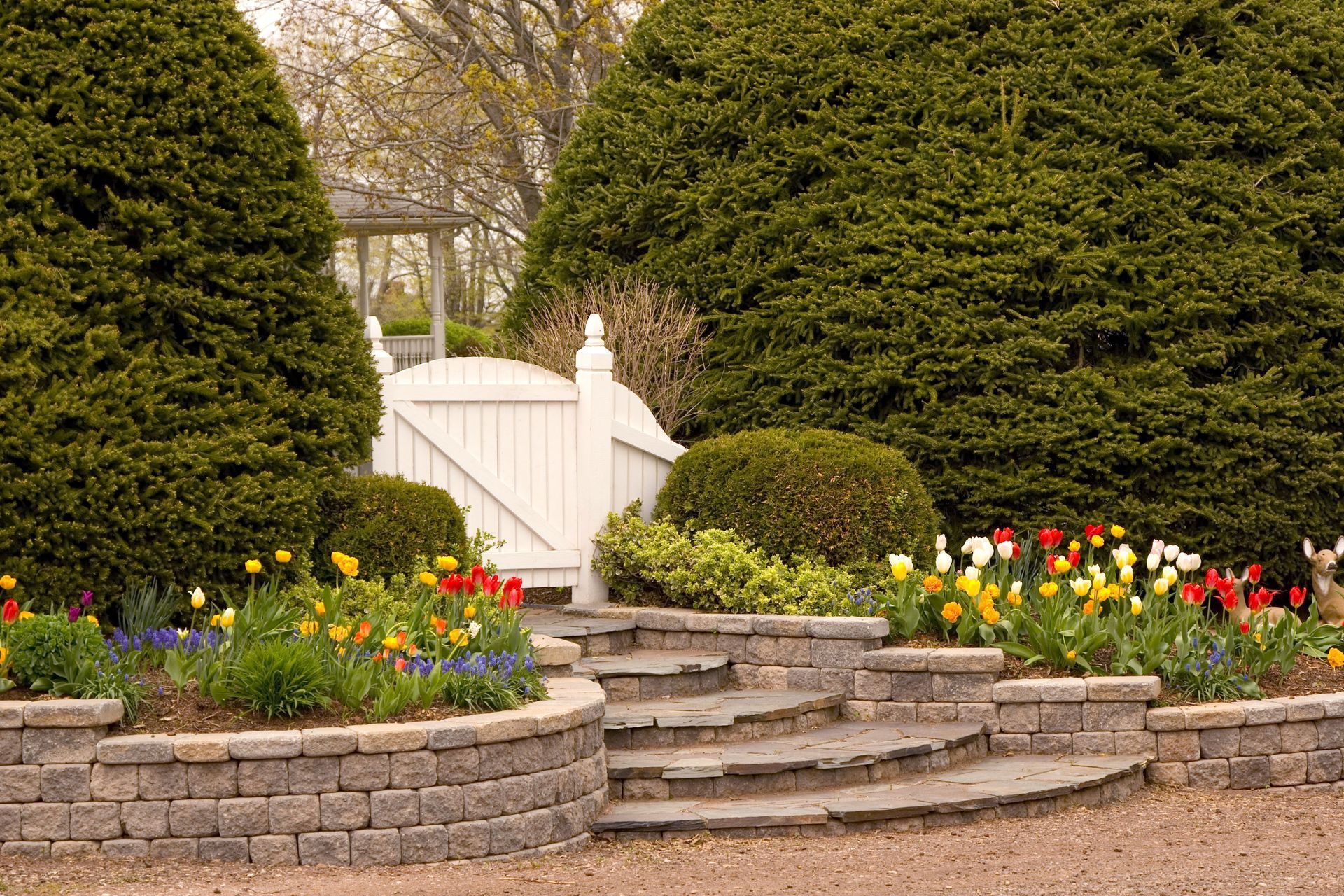
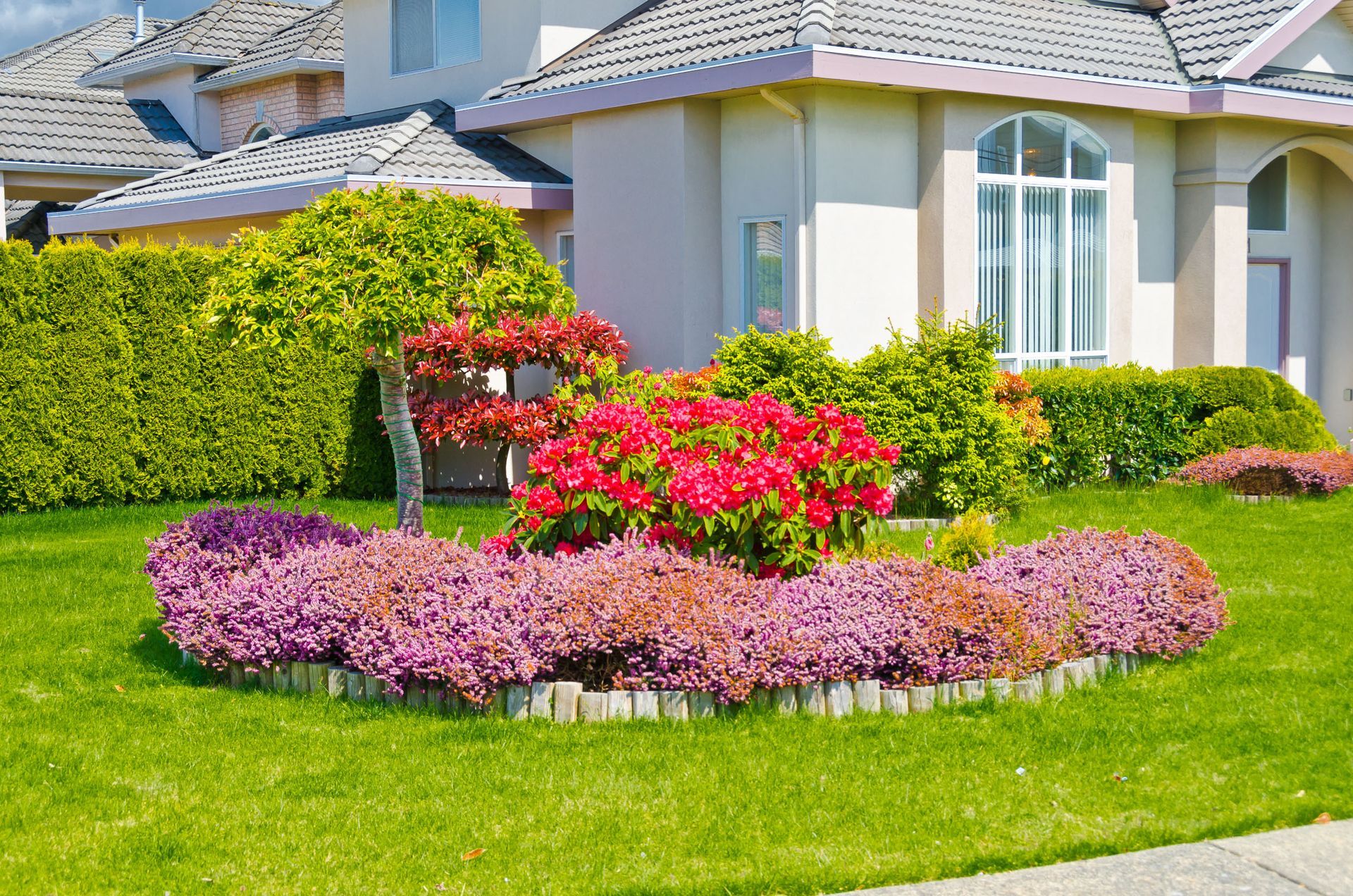
Strategic floral arrangement elevates structural architecture, transforming ordinary residential yards and commercial grounds into vibrant, welcoming retreats. Combining varied growth heights, contrasting foliage patterns, and overlapping bloom cycles creates dynamic outdoor living spaces that evolve beautifully throughout changing seasons. Well-planned floral borders highlight distinct architectural features, mark property boundaries, and establish clear garden pathways. Thoughtfully arranged plant compositions turn plain exterior spaces into lively environments that boost property values.
Achieving a balanced landscape design requires detailed knowledge of soil composition, light availability, and long-term plant maintenance requirements. Experienced landscapers select resilient floral varieties that thrive in specific microclimates, minimizing plant loss and ensuring continuous visual appeal throughout the year. By combining artistic principles with horticultural science, professional design specialists create sustainable floral environments that require minimal maintenance while delivering maximum visual impact for property owners.
Flowers maintain an enduring popularity because they seamlessly combine visual beauty, cultural symbolism, economic vitality, and environmental benefits. Across centuries of human history, diverse societies have embraced colorful blossoms to celebrate life milestones, express deep personal feelings, and enrich daily living environments. Today, dedicated landscapers continue this long tradition by integrating resilient, attractive floral species into modern residential yards and commercial developments.
As communities seek closer connections with the natural world, thoughtful floral installation remains a fundamental component of effective property design. Enhancing outdoor surroundings with vibrant, sustainable blossoms creates welcoming environments that foster personal well-being and community pride. If you are ready to elevate your outdoor spaces with expert plant selection and tailored garden design, contact us today at Evergreen Nursery & Landscaping so we can help you create the landscape of your dreams.