October 22, 2026
Many homeowners desire beautiful landscapes but feel exhausted by the constant need to replant empty beds each spring. According to the Journal of Economic Entomology, 46.6% of US garden center annual flower sales come from just six plants: petunia, impatiens, begonia, geranium, pansy, and New Guinea impatiens. Relying strictly on those popular choices means starting over every spring with fresh soil preparations and new investments. Shifting your landscape strategy toward returning vegetation creates sustainable beauty while reducing seasonal labor requirements.
These persistent beauties form the reliable backbone of any sophisticated landscape design project. Establishing returning flora allows garden enthusiasts to watch individual specimens grow stronger and more vigorous with each passing season. Selecting the right varieties transforms a barren yard into an evolving canvas of vibrant foliage and striking blossoms. Thoughtful planning at the beginning ensures your outdoor spaces remain captivating throughout various weather shifts.
Assessing Environmental Light
Understanding the specific sunlight patterns traversing your property stands as a critical requirement before visiting a plant nursery. Some delicate varieties scorch under direct afternoon rays, while shade-loving options fail to produce buds without adequate canopy cover. Mapping the shifting shadows across your yard provides crucial information for placing each specimen in its ideal microclimate. Paying close attention to these rhythms prevents future disappointment and encourages robust vegetative growth.
Full sun environments demand robust selections capable of withstanding intense heat and prolonged exposure. Conversely, woodland gardens thrive when populated by broad-leafed varieties adapted to dappled light and cooler ambient temperatures. Matching the plant to its preferred lighting condition remains the most reliable strategy for cultivating thriving outdoor environments. Gardeners who respect natural light preferences experience remarkable success in their cultivation efforts.
Evaluating Ground Moisture
Analyzing the composition and drainage capabilities of your earth acts as a foundational step in successful landscape architecture. Clay-heavy grounds retain significant water, creating waterlogged environments that rot sensitive root systems of many decorative species. Sandy patches drain rapidly, depriving thirsty root structures of necessary hydration before absorption can occur. Amending the dirt with rich organic matter balances moisture retention and improves overall aeration for optimal root expansion.
Grouping your chosen selections based on their specific hydration requirements creates efficient watering zones throughout the property. Drought-tolerant native varieties require minimal supplemental irrigation after their deep root networks become fully established in the landscape. Thirsty wetland species thrive near natural depressions or water features where moisture accumulates continuously. Designing with these hydration zones in mind conserves valuable resources while keeping every individual specimen perfectly hydrated.
Coordinating Bloom Timing
Orchestrating a continuous progression of blossoms requires carefully selecting perennials that peak at varying stages of the year. Spring awakenings rely on early risers that push through thawing ground to provide initial bursts of cheerful pigment. Summer stalwarts anchor the hottest months with resilient flowers that withstand scorching daytime temperatures and humid evenings. Autumnal champions finish the show with deep, rich tones that coordinate beautifully with changing tree foliage.
Maintaining detailed records of flowering periods helps enthusiasts identify uncomfortable gaps in their continuous color displays. Filling those quiet transitional weeks with bridge plants ensures the garden never appears devoid of visual interest. Removing spent blossoms promptly often encourages subsequent flushes of color from certain prolific varieties. This continuous wave of opening buds creates a dynamic environment that looks different during every backyard stroll.
Structuring Plant Heights
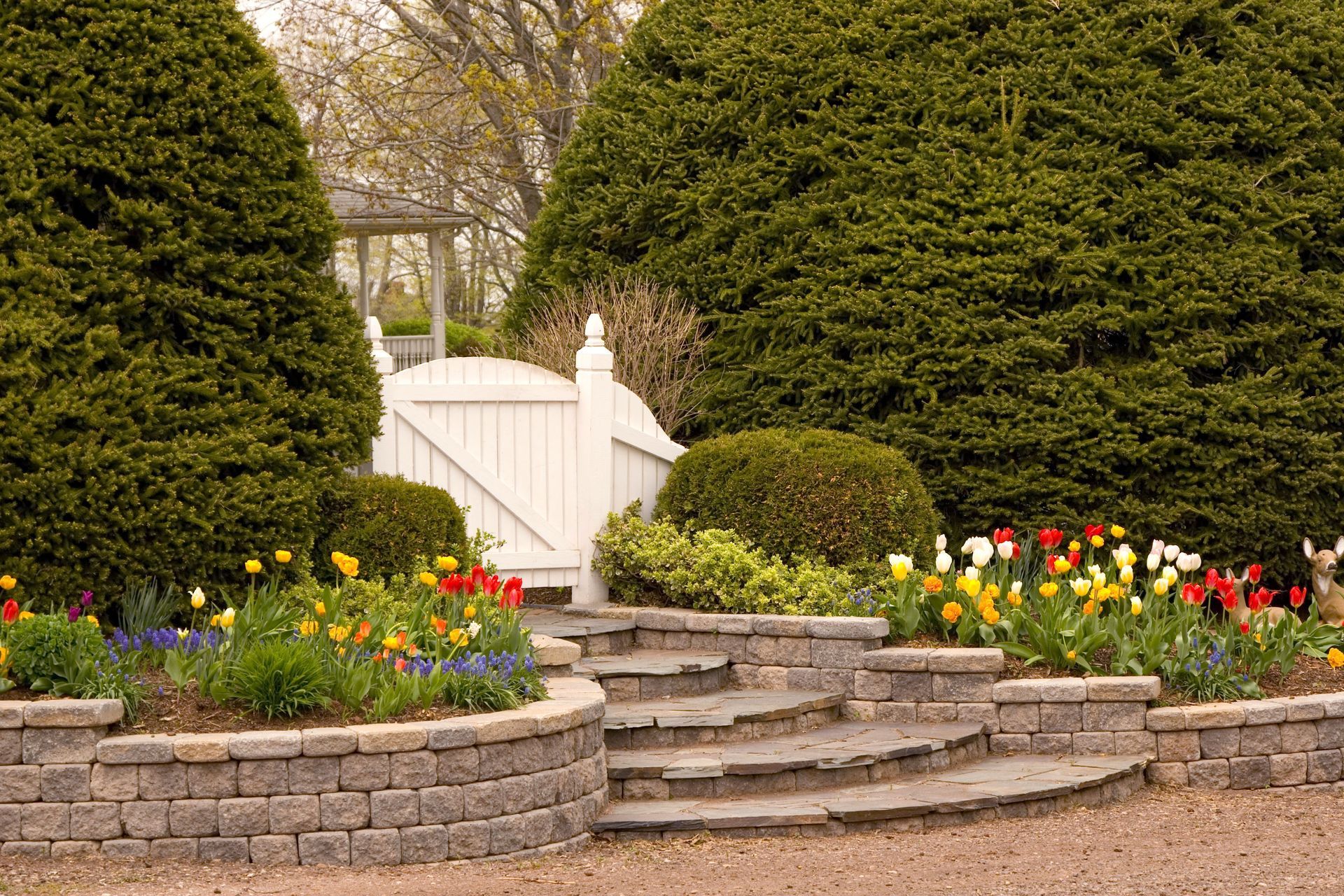
Designing attractive borders necessitates placing towering specimens near the back and delicate creepers along the front edges. Stately vertical growers draw the eye upward, establishing impressive boundaries and screening unsightly utility fixtures from view. Mid-sized perennials serve as the connective tissue, blending dramatic backdrops with subtle low-growing plants. This tiered approach mimics natural woodland edges, creating a sense of depth and volume within confined suburban plots.
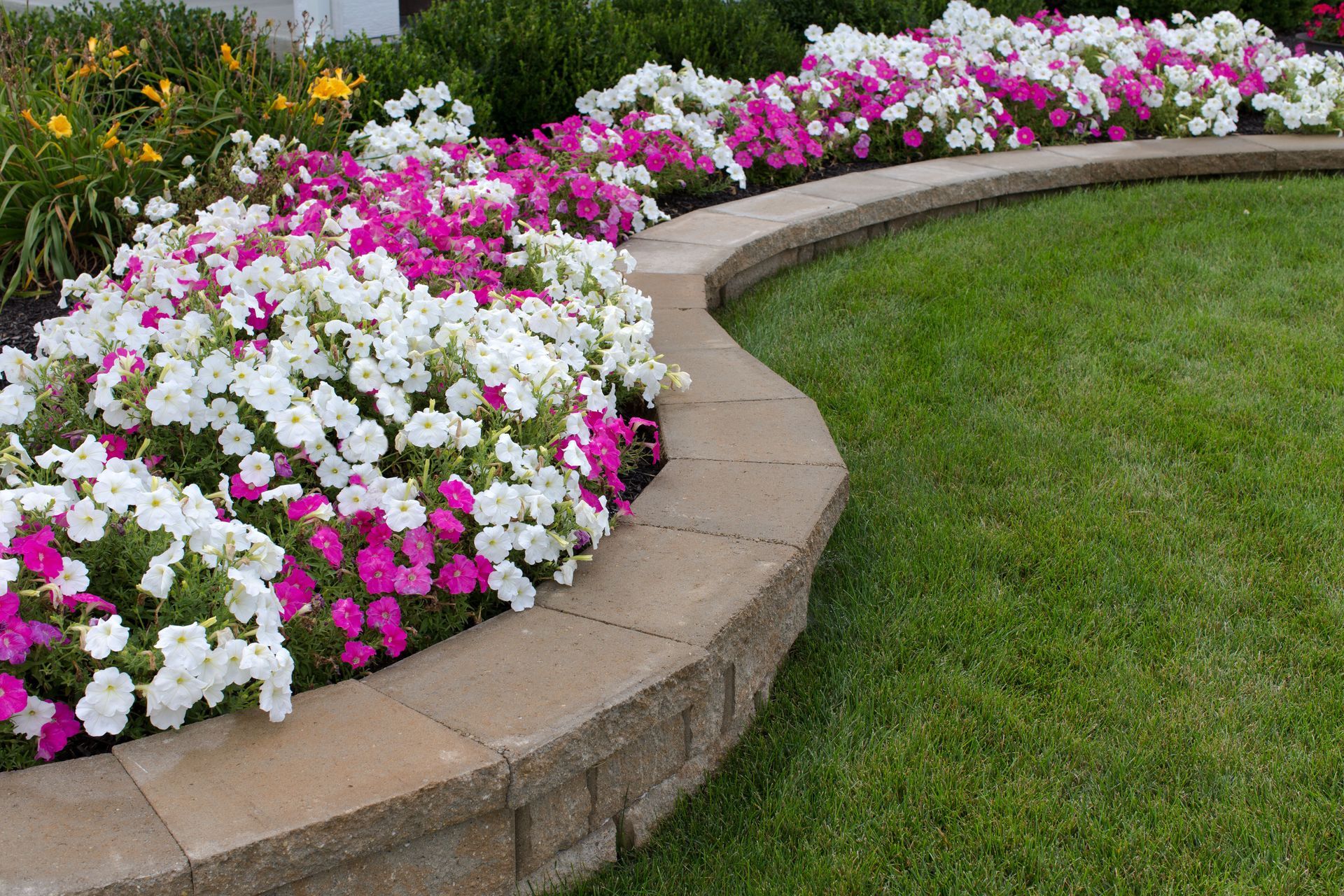
Providing structural supports for exceptionally tall varieties prevents heavy blossoms from snapping delicate stems following heavy rainstorms. Subtle stakes and specialized hoops blend invisibly into the foliage while offering crucial stabilization against harsh winds. Allowing sprawling low-growing plants to cascade over retaining walls softens hardscaping elements and integrates masonry with the living landscape. Mastering this vertical dimension transforms flat yards into immersive sanctuaries that feel completely separated from the outside world.
Fostering Local Ecology
Selecting indigenous perennials provides crucial nourishment and shelter for regional pollinators navigating fragmented urban ecosystems. Native bees, butterflies, and hummingbirds recognize these familiar blossoms, relying on them for essential nectar and pollen resources. Deep-rooted indigenous varieties also excel at stabilizing loose slopes and filtering harmful runoff before it reaches municipal waterways. Cultivating these local heroes creates a thriving habitat that supports incredible biodiversity right outside your living room window.
Avoiding invasive exotic species protects vulnerable wild areas from aggressive competitors that disrupt established ecological balances. Local flora evolved alongside regional pests and climate anomalies, granting them inherent resilience against typical environmental stressors. This natural immunity reduces the need for harsh chemical interventions or synthetic fertilizers to maintain aesthetic appeal. Supporting the local food web through mindful plant choices rewards homeowners with endless wildlife observation opportunities.
Nourishing Root Systems
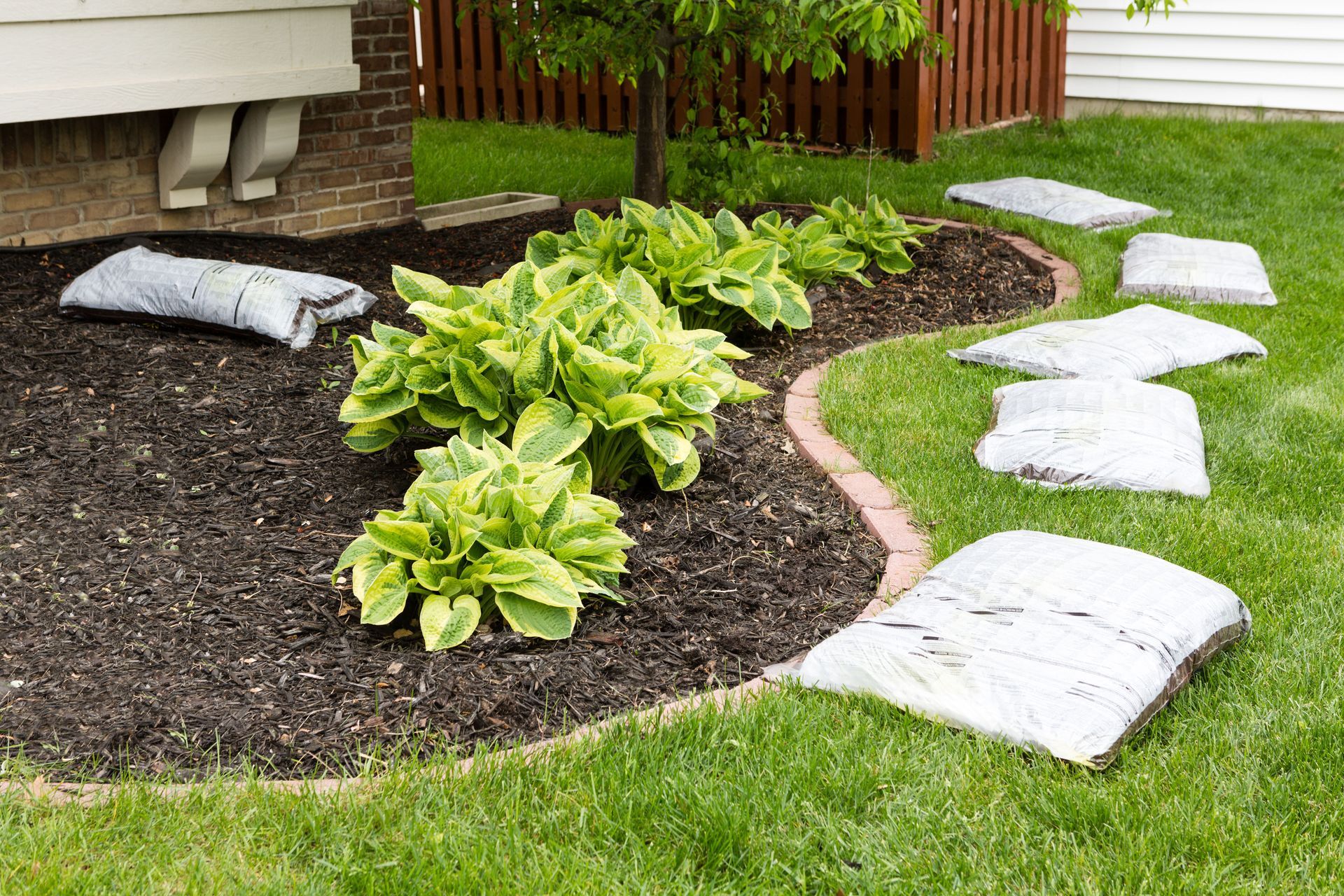
Applying thick layers of natural mulch regulates subsurface temperatures and suppresses aggressive weeds competing for limited nutrients. Decomposing organic matter enriches the surrounding earth, releasing essential minerals when hungry roots require them most. Gentle, deep watering sessions encourage root networks to reach downward, building remarkable resilience against inevitable dry spells. Shallow, frequent sprinkling only promotes weak surface roots that suffer immediately when intense summer heat arrives.
Providing targeted nutritional boosts during active growth phases helps certain demanding varieties achieve their maximum floral potential. Slow-release granular formulas deliver consistent energy without overwhelming the plant or burning sensitive tender shoots. Avoiding excess nitrogen applications prevents disproportionate leafy growth at the expense of developing spectacular, long-lasting blossoms. Maintaining proper soil nutrition remains the absolute cornerstone of cultivating perennials that return reliably year after year.
Preparing Winter Protection
As autumn transitions into deep chill, properly preparing your landscape ensures delicate crowns survive freezing temperatures intact. Leaving dried stalks standing provides crucial winter interest while offering protective hollow nesting spaces for beneficial solitary bees. Insulating vulnerable root zones with evergreen boughs prevents catastrophic damage caused by repeated freezing and thawing cycles. Cleaning up diseased foliage prevents fungal spores from overwintering and reinfecting fresh new growth during the spring awakening.
Recognizing the difference between protective dormancy and actual plant death saves anxious gardeners from prematurely discarding viable specimens. Many robust perennials die back entirely to the ground, concentrating all their energy in subterranean storage organs. Remaining patient during slow spring warm-ups allows sleepy plants adequate time to push fresh shoots through the soil. Trusting this natural cycle of rest and renewal makes horticultural hobbies rewarding and stress-free.
Consulting Landscape Experts
Navigating the vast array of available cultivars often overwhelms individuals attempting to design cohesive outdoor living spaces independently. Our experienced horticulturalists possess invaluable knowledge regarding which varieties perform best locally. Professional guidance helps avoid costly mistakes, ensuring every selected specimen thrives in its designated permanent location. We eagerly assist our clients in identifying the absolute perfect returning plants for their unique environmental conditions.
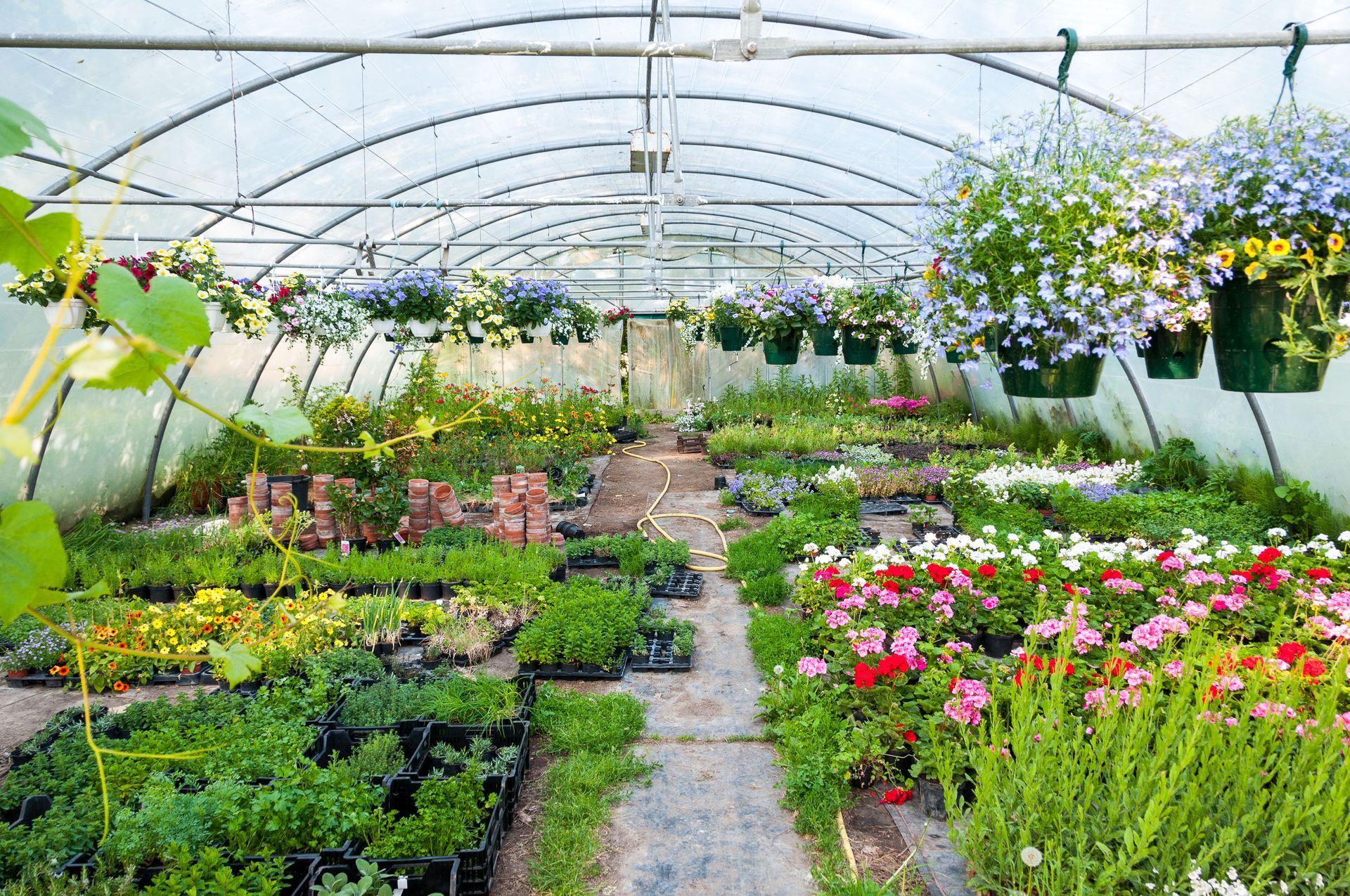
Investing in high-quality specimens from reputable local growers guarantees stronger, healthier plants capable of immediate establishment. A collaborative design approach turns vague landscaping dreams into actionable blueprints filled with gorgeous, resilient botanical selections. Our comprehensive inventory features numerous dependable perennials cultivated specifically to withstand regional weather patterns and thrive beautifully. Visit Evergreen Nursery & Landscaping today to begin transforming your empty yard into an extraordinary, ever-changing masterpiece of enduring color.