November 20, 2026
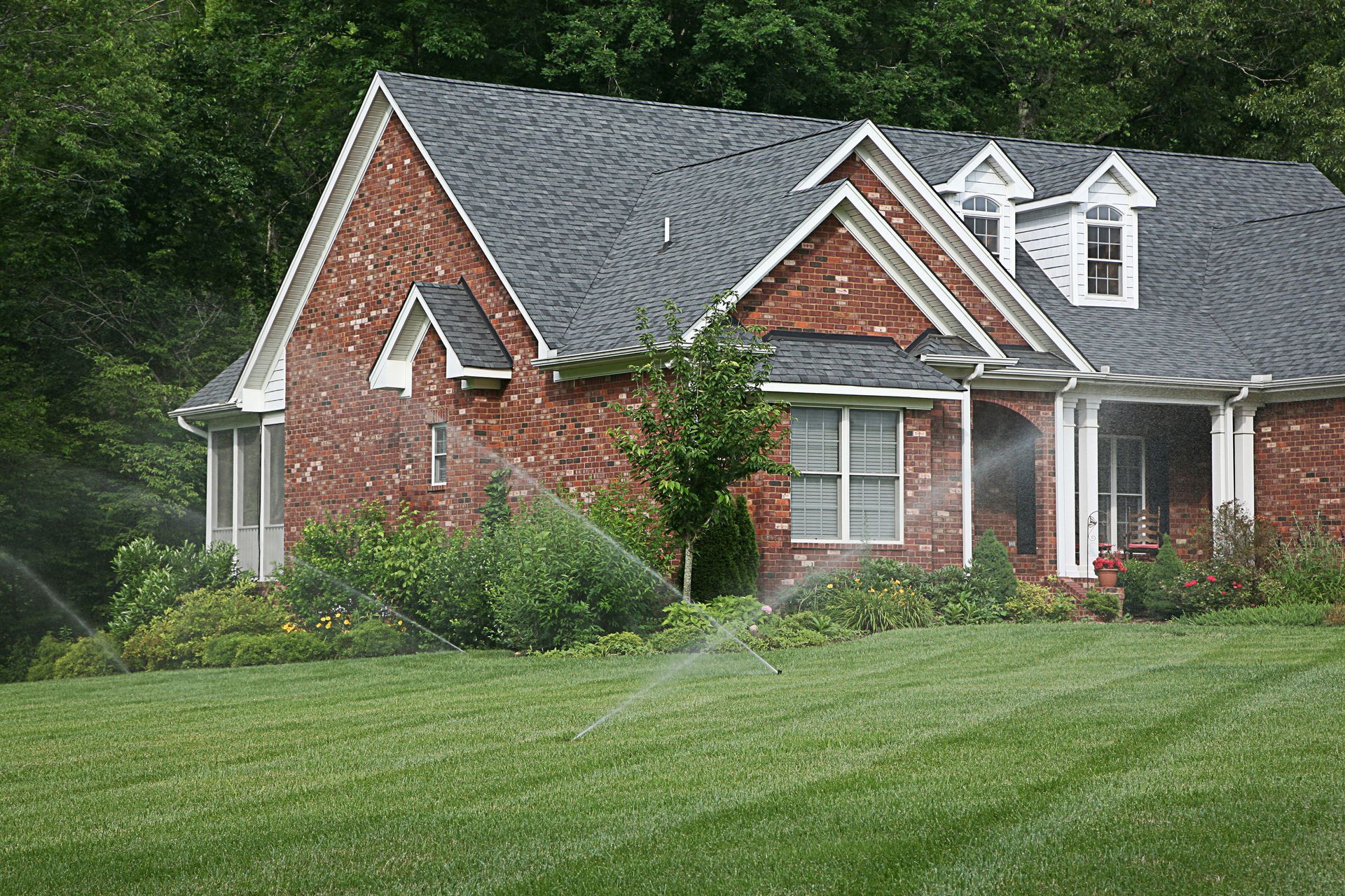
A beautiful, healthy garden requires more than the right plants and quality soil. Consistent watering is also essential for helping flowers bloom, vegetables grow, and landscaping stay vibrant throughout the growing season. However, keeping up with a garden's watering needs can become challenging, especially when managing multiple planting areas with different requirements. A lawn sprinkler system can make this process easier by delivering water more consistently and reducing the amount of time spent on manual watering.
As more homeowners invest in their outdoor spaces, thoughtful garden planning is becoming increasingly important. According to HomeGuide, landscaping can boost your home’s value by 10% to 30% based on the quality and type of improvements made. Whether you're expanding an existing garden or starting a new landscaping project, an efficient irrigation plan can help protect that investment. Understanding how lawn sprinkler systems work and how to incorporate them into your landscape can help you create a garden that is easier to maintain.
Evaluate Your Garden's Watering Needs
Before installing an irrigation system, take time to evaluate your garden's layout and watering requirements. Different plants need different amounts of moisture, so a single watering schedule may not work for every part of your landscape. Vegetables, flowering plants, shrubs, and established trees can all have different needs depending on their species, age, and growing conditions.
Start by identifying the areas that require regular watering. Consider the size of your lawn, the location of garden beds, and any containers or landscaped sections that need additional attention. Pay attention to areas that receive full sunlight, since they may dry out faster than shaded spaces. Soil conditions are another important consideration. Sandy soil drains quickly, while clay-heavy soil generally holds moisture longer.
Understanding these differences helps determine where irrigation is needed and how water should be distributed. It also makes it easier to divide your landscape into separate watering zones. With a clear understanding of your garden's requirements, you can plan lawn sprinkler systems that provide appropriate coverage without applying the same amount of water everywhere.
Choose the Right Sprinkler System Design
Once you understand your garden's layout, consider which irrigation design will work best for your property. Sprinkler systems come in several configurations, and the right option depends on the size, shape, and planting arrangements of your outdoor space.
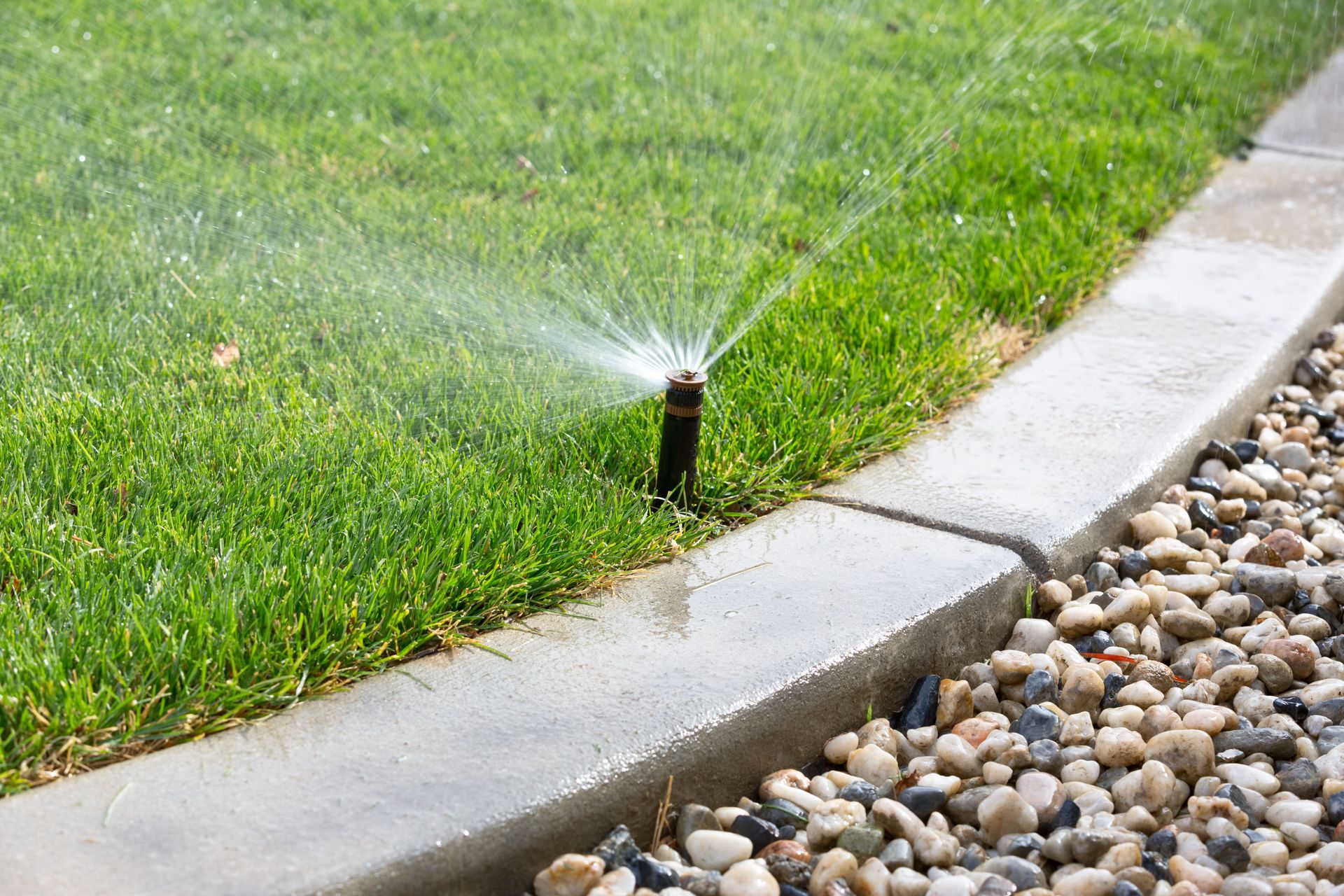
Traditional spray heads distribute water over a relatively small area and can work well for compact lawns or defined garden sections. Rotor sprinklers generally cover larger areas by rotating and distributing water across a wider radius. Drip irrigation may be more appropriate for individual plants, vegetable gardens, and planting beds where water needs to reach the soil near the roots.
You may also benefit from combining different irrigation methods. For example, lawn areas could use traditional sprinkler heads while garden beds receive water through drip lines. This approach helps accommodate different plant requirements without unnecessarily watering areas that do not need it.
The placement of sprinkler heads is equally important. Heads should be positioned to provide adequate coverage while accounting for sidewalks, driveways, buildings, and other obstacles. Proper spacing helps prevent dry patches and areas that receive excessive water. A carefully designed system makes watering more predictable and helps support healthier plant growth.
Organize Your Garden Into Watering Zones
Creating separate watering zones is one of the most useful ways to improve irrigation efficiency. Instead of watering the entire property according to one schedule, zoning allows you to control when and how much water different sections receive.
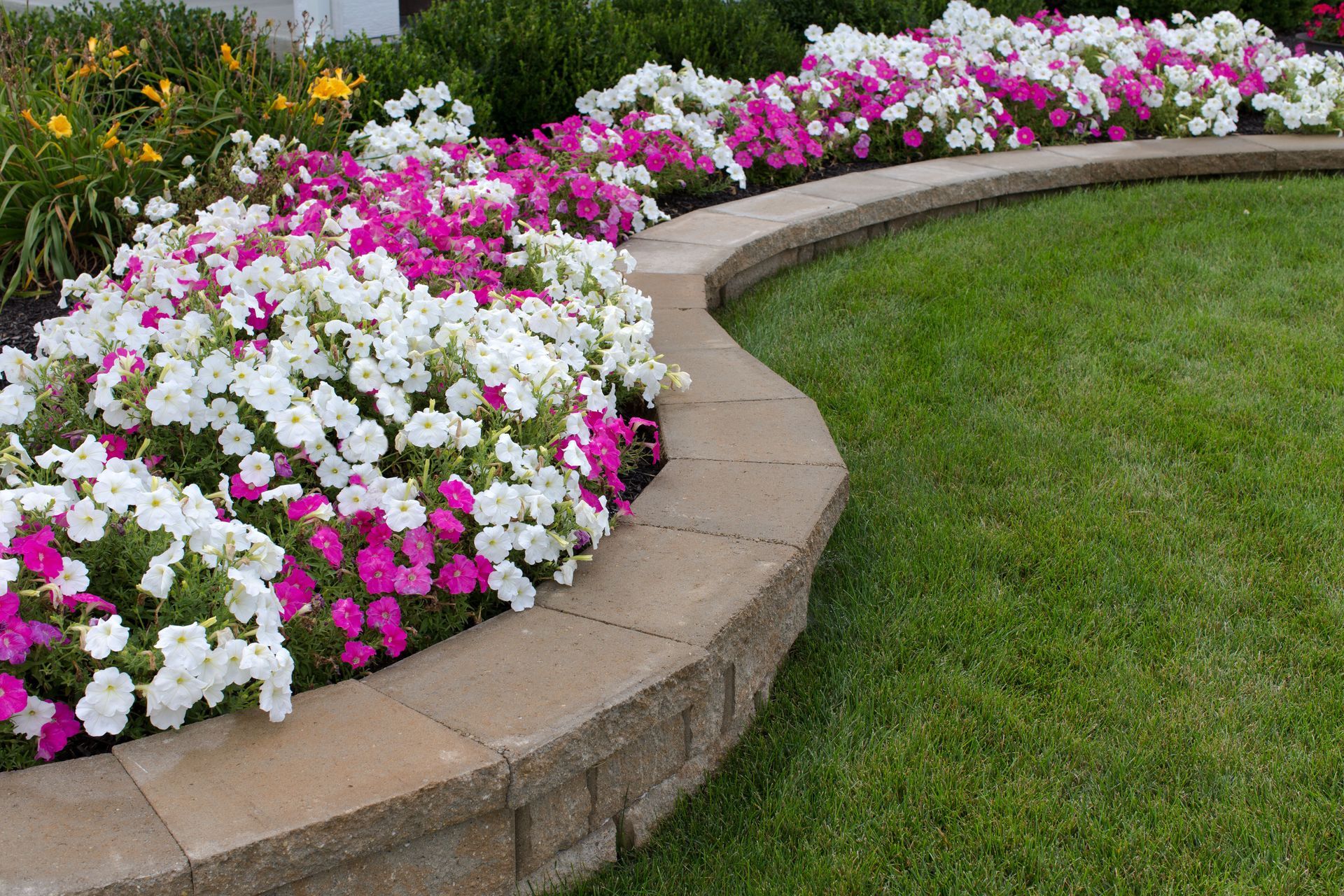
For example, a vegetable garden may require more frequent watering than established shrubs or ornamental grasses. A sunny lawn may also need a different schedule than a shaded garden bed. Separating these areas allows you to adjust irrigation based on their individual requirements.
When planning zones, consider grouping plants with similar watering needs together. Keep areas with comparable sunlight exposure and soil conditions in mind as well. This makes it easier to establish schedules that provide enough moisture without keeping certain plants too wet.
Lawn sprinkler systems with programmable controllers can make managing multiple zones much simpler. Homeowners can establish different watering times and durations for individual sections rather than manually adjusting the system each day. This flexibility is especially useful for larger properties with a variety of landscaping features.
Schedule Watering Around Weather Conditions
An efficient irrigation plan should account for more than just the plants in your garden. Weather conditions can significantly affect how much water your landscape needs. Rainfall, temperature, humidity, and sunlight all influence how quickly soil loses moisture.
Watering during the early morning is generally a practical choice because temperatures are cooler and winds are often lighter. This gives water time to reach the soil before the hottest part of the day. Watering late at night can also create opportunities for moisture to remain on foliage for extended periods, potentially contributing to certain plant diseases.
Rainfall should also influence your irrigation schedule. Running sprinklers immediately after a substantial rainstorm may provide more water than your garden needs. Some systems include rain sensors that temporarily suspend scheduled watering when precipitation occurs. Soil moisture sensors can provide additional information by helping determine whether an area actually needs irrigation.
Seasonal adjustments are important, too. Newly planted gardens may need more frequent watering while roots become established, whereas established plants may require less frequent irrigation. During cooler periods, water needs often decrease. Adjusting lawn sprinkler systems throughout the year helps prevent unnecessary watering while keeping plants supplied with appropriate moisture.
Maintain Your Irrigation Equipment Regularly
Even a well-designed sprinkler system needs regular maintenance to continue operating effectively. Over time, sprinkler heads can become clogged with dirt, damaged by lawn equipment, or knocked out of position. These problems can interfere with water distribution and leave certain areas of your garden too dry.
Inspect sprinkler heads periodically to make sure they are operating correctly. Look for leaks, uneven spray patterns, and heads that fail to pop up or rotate as expected. Clean clogged nozzles and reposition heads when necessary to restore proper coverage. You should also check exposed pipes and connections for signs of damage.
The controller deserves attention as well. Review its settings at the beginning of each growing season and make adjustments as your landscaping changes. If you add garden beds, remove plants, or redesign part of your yard, the original watering schedule may no longer be appropriate.
Before colder weather arrives, prepare your irrigation equipment for winter. In regions with freezing temperatures, exposed water lines and sprinkler components may be vulnerable to damage from expanding ice. Proper winterization, which may include draining or professionally blowing out irrigation lines, helps protect the system until spring.
Improve Water Efficiency Through Landscaping Choices
Your irrigation system is only one part of an efficient garden. The plants and landscaping materials you choose can also influence how much water your property requires. Combining thoughtful planting decisions with well-planned lawn sprinkler systems can help reduce unnecessary watering over time.
Consider selecting plants that are suited to your local climate and typical growing conditions. Native and regionally adapted plants are often better equipped to handle local weather patterns once established. Grouping plants according to their moisture requirements also makes irrigation easier to manage.
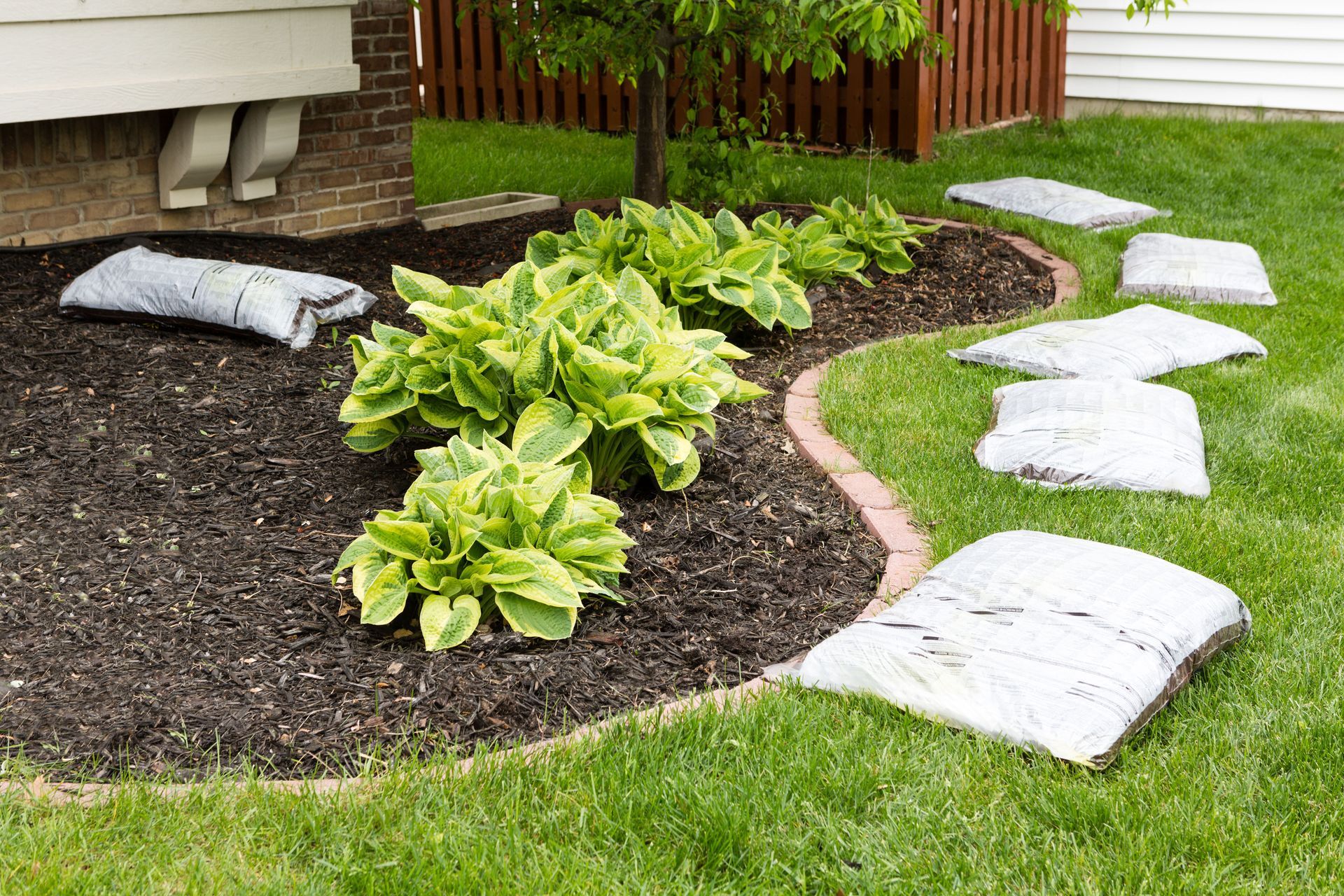
Mulch is another useful addition to garden beds. Applying an appropriate layer around plants helps reduce moisture loss from the soil, moderate soil temperatures, and limit weed growth. Just make sure mulch is not piled directly against plant stems or tree trunks.
Improving soil quality can also support more efficient watering. Adding suitable organic matter can help improve soil structure, although the right approach depends on the existing soil type and the needs of your plants. Healthy soil provides a better environment for root development and moisture management.
Lawn sprinkler systems offer a practical way to distribute water throughout your outdoor space while reducing the time required for manual watering. When combined with appropriate plant selections, soil improvements, and regular equipment maintenance, they can become an important part of a more efficient landscape.
Evergreen Nursery & Landscaping can help homeowners plan outdoor spaces that balance beauty, functionality, and ongoing maintenance needs. With thoughtful landscaping and irrigation planning, you can create a garden that supports healthy plant growth and remains enjoyable throughout the seasons. For more information about
lawn sprinkler systems, contact us today.