June 22, 2026
Designing a beautiful outdoor environment requires thoughtful planning and an understanding of how different vegetation types interact with the surrounding space. Every property has unique characteristics, and selecting the right items can completely transform a basic yard into a stunning sanctuary. Many homeowners begin their landscaping journey by visiting a local plant nursery to browse available options and gather inspiration. This initial step is vital because seeing the varieties in person helps individuals visualize how different heights, textures, and growth habits will fit into their specific designs. Combining diverse elements ensures that the yard remains interesting and vibrant throughout the entire year rather than looking lively during just a single season. A well-designed landscape does more than simply look attractive; it also serves multiple functional purposes that enhance daily life. From establishing comfortable outdoor living areas to increasing property value, the benefits of strategic vegetation placement are extensive. By exploring the unique contributions of various species, property owners can make informed decisions that align with their personal preferences and long-term goals for their outdoor areas.
Enhancing Visual Appeal
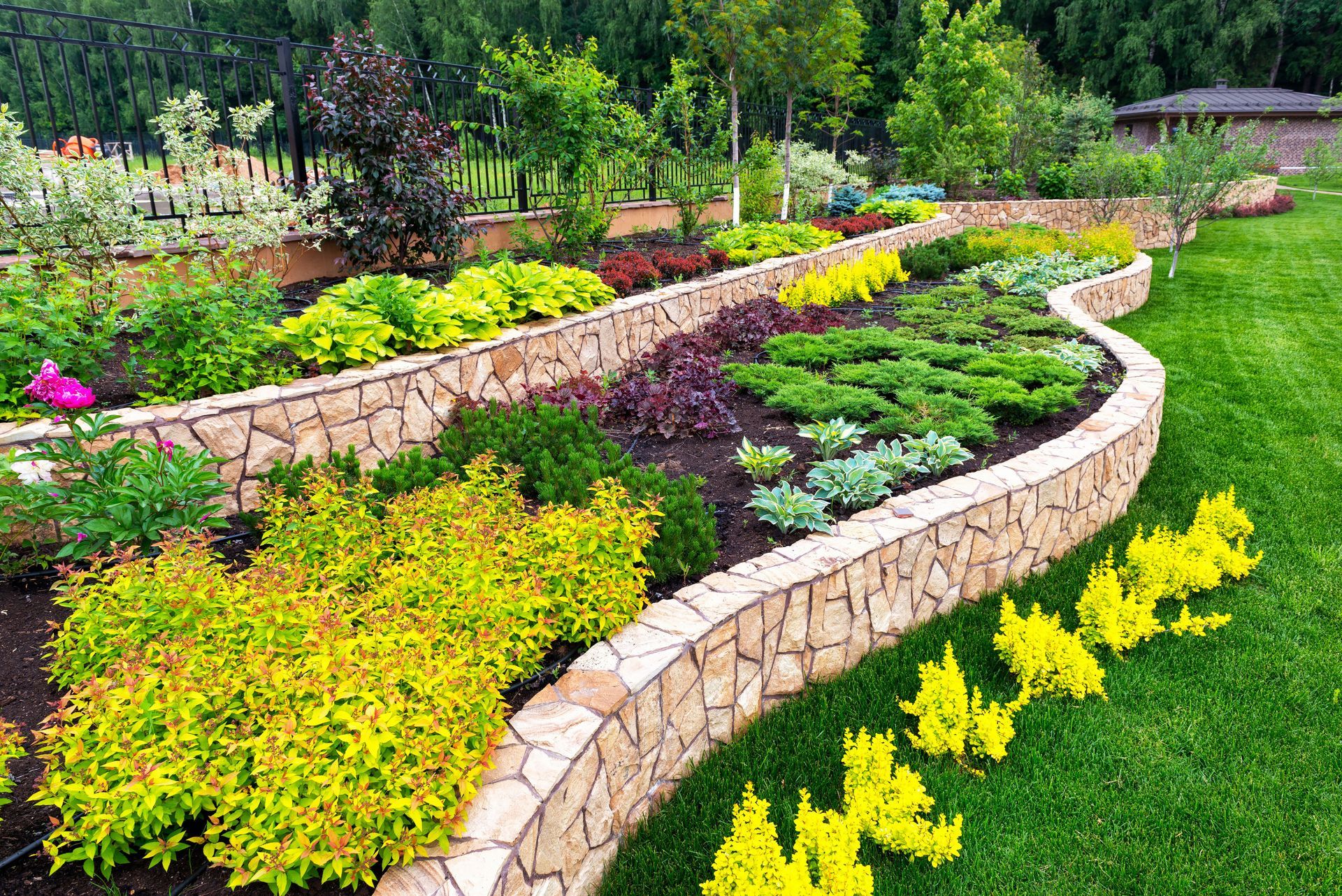
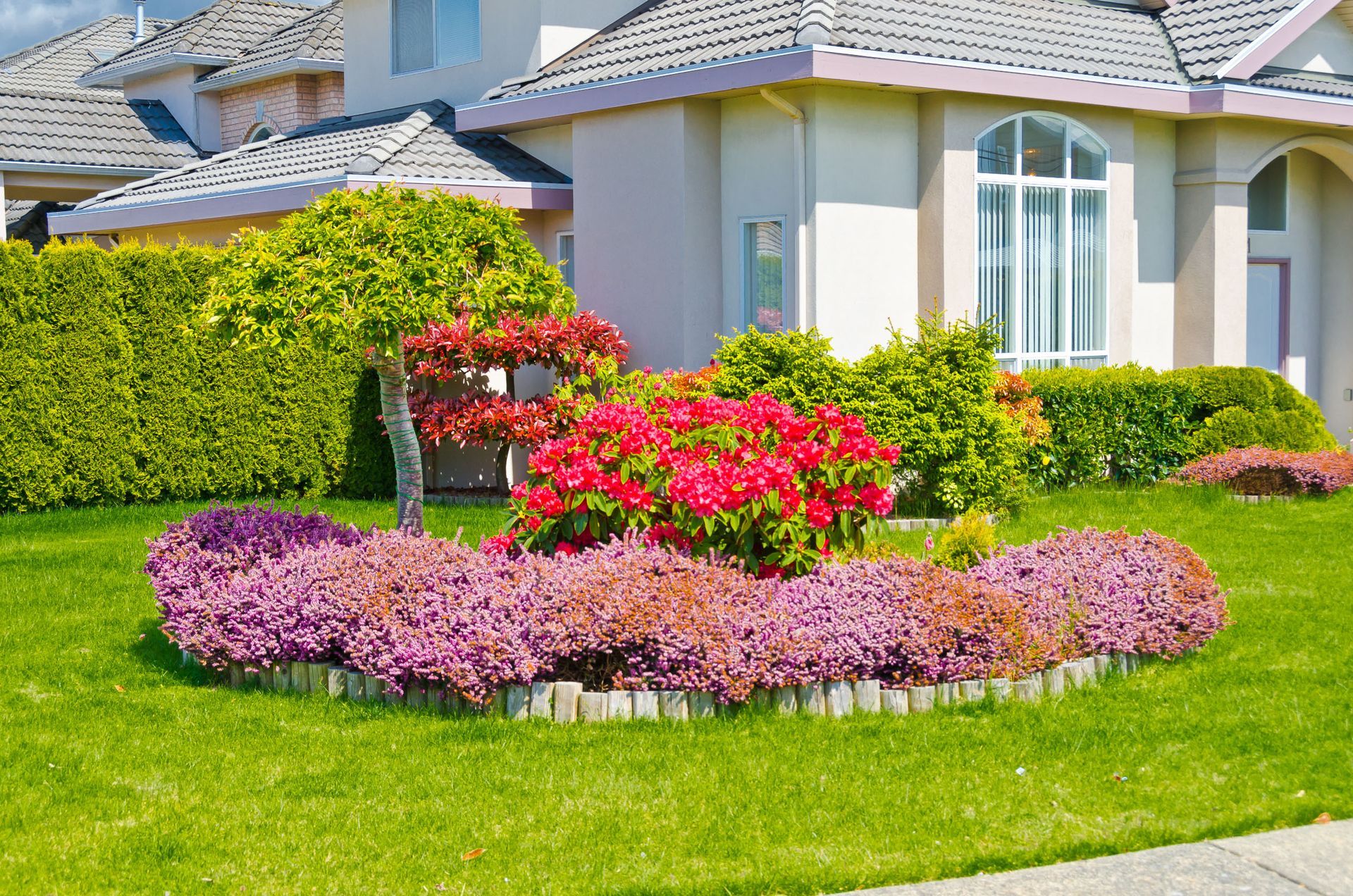
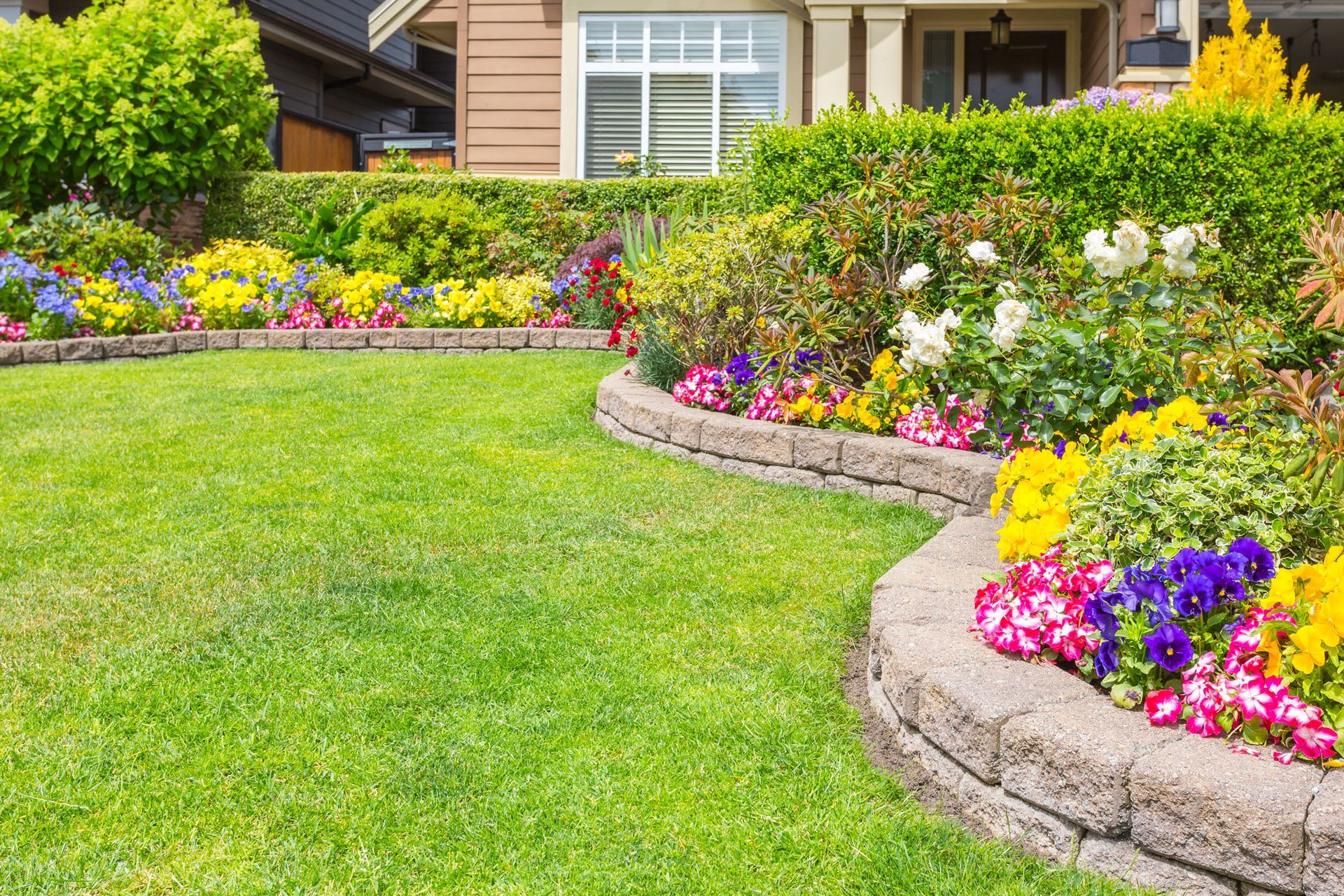
The most immediate benefit of incorporating diverse vegetation into a design is the dramatic enhancement of visual appeal. Color plays a massive role in setting the mood of an outdoor space, with bright blossoms creating a cheerful atmosphere and deep green foliage providing a calming backdrop. To achieve continuous color, homeowners often mix different varieties that bloom at different times. According to Southern Living, annual flowers and plants complete their full life cycle in one growing season, but they add color from planting until a hard frost in most of the country. Combining these temporary bursts of brightness with enduring perennials ensures that there is always something eye-catching to look at. Texture is another crucial component of visual design, as alternating between soft ferns, coarse shrubs, and fine grasses creates layers of depth. When people visit a plant nursery, they can contrast these textures side by side to see how they complement each other. Adding unique focal points, such as an ornamental tree with distinctive branches, can guide the eye through the yard and establish a sense of balance.
Creating Structural Boundaries
Vegetation does not merely serve an aesthetic purpose; it also acts as a natural building material to define the layout of a property. Tall hedges and dense evergreens are frequently utilized to establish natural privacy screens that block views from neighboring properties or busy streets. These living walls offer a softer, more inviting alternative to traditional wooden or stone fences. Additionally, strategically placed rows of shrubs can serve as excellent windbreaks, protecting delicate garden areas and outdoor seating spaces from harsh gusts. Low-growing species and neatly trimmed borders are perfect for outlining pathways and guiding movement through different sections of the yard. This structural definition helps separate distinct areas, such as a recreational lawn from a quiet seating zone. Finding the right species for these structural roles involves understanding mature growth heights and spacing requirements. Experts at a dedicated plant nursery can provide valuable guidance on which varieties grow densely enough to provide effective screening. By using living elements to outline boundaries, property owners create a cohesive framework that anchors the entire landscape design securely.
Supporting Local Ecosystems
An often-overlooked advantage of thoughtful landscape design is the positive impact it has on the local environment and surrounding wildlife. A yard filled with a rich variety of native species becomes a thriving habitat for birds, beneficial insects, and important pollinators like bees and butterflies. These creatures rely on diverse flora for shelter, nesting materials, and food sources throughout the changing seasons. Choosing indigenous varieties is particularly beneficial because these options have adapted over a long period to the local soil and climate conditions. This means they generally require less supplemental watering and fewer interventions to stay healthy. When searching for these eco-friendly options, consulting with a knowledgeable plant nursery can help identify which species will attract specific wildlife to the garden. Creating a balanced backyard ecosystem helps control common pests naturally, as predatory insects and birds will keep undesirable populations in check. Ultimately, transforming a residential property into a wildlife-friendly haven contributes to broader conservation efforts and fosters a deeper personal connection to the natural world right outside the back door.
Improving Air Quality
The environmental benefits of robust landscaping extend significantly into the realm of human health and climate mitigation. Leaves and branches act as highly effective natural air filters, trapping airborne dust, smoke, and other particulate matter that would otherwise be inhaled. Through the natural process of photosynthesis, vegetation absorbs carbon dioxide from the atmosphere and releases fresh oxygen, directly improving the immediate air quality around a residence. Large shade trees offer substantial temperature regulation benefits as well by blocking direct sunlight from hitting rooftops, patios, and paved surfaces. This cooling effect can lower ambient temperatures in the immediate vicinity, making outdoor areas far more comfortable during hot summer months. When planning to maximize these environmental advantages, selecting varieties with large surface areas or dense canopies is ideal. Visiting a well-stocked plant nursery allows property owners to examine mature specimens and understand the growth rates of different filtering options. Incorporating these green features into a property design creates a cleaner, cooler, and healthier breathing environment for families to enjoy.
Offering Edible Harvests
Integrating food-producing species into a traditional landscape design is a growing trend that successfully combines utility with exceptional beauty. Fruit trees, berry bushes, and aromatic herbs can be woven seamlessly into ornamental garden beds rather than being isolated in a hidden vegetable patch. This approach, often referred to as edible landscaping, allows property owners to enjoy fresh, organic harvests right from their own yards. Dwarf fruit varieties are excellent options for smaller spaces, providing beautiful spring blossoms and delicious autumn rewards without overwhelming the property. Herbs can serve as excellent ground covers or border elements, releasing pleasant fragrances whenever someone brushes past them. To ensure successful cultivation, it is essential to select varieties that are fully compatible with local growing conditions and soil types. Seeking advice at a local plant nursery can guide beginners toward hardier edible options that are resistant to common regional diseases. Cultivating a sustainable garden that yields usable food promotes self-sufficiency while adding a unique, interactive layer to the overall outdoor experience.
Developing a comprehensive landscape involves a delicate balance of aesthetic choice, environmental stewardship, and practical functionality. Each item added to a property contributes to a larger living system that evolves over time, bringing new textures, colors, and benefits to light with every passing season. Whether the primary goal is to create a secluded sanctuary from the outside world, support local wildlife populations, or cultivate a sustainable source of fresh food, the proper selection of vegetation is the key to long-term success. Navigating all these choices can feel overwhelming, but utilizing professional expertise makes the entire process enjoyable and rewarding. Gathering inspiration from a reputable plant nursery is an excellent way to start turning creative visions into a living reality. For those ready to elevate their outdoor spaces, working with experienced professionals ensures that every selection is tailored perfectly to the local climate and soil conditions. Please contact Evergreen Nursery & Landscaping today to learn more about our comprehensive services and begin designing your dream outdoor environment.